Updated August 2026

The 7 Best Podcast & Studio Mics in 2026 — Ranked by Data

We scored all 181 podcast and studio mics in our database on vocal clarity, sound warmth, background noise rejection, plug-and-play simplicity, and build quality, then weighted those scores to rank this list. Prices run from $55 to $550, taken from each product's current listing, and every pick's live page was checked this week — listings that came back renewed, unavailable, or carrying Amazon's own high-price warning are excluded automatically.

One thing you'll notice immediately: dynamic handheld mics dominate. That's what happens when noise rejection carries real weight in the scoring, and it's the right bias for the rooms most people actually record in — untreated spaces with a computer fan running. If you have a quiet, treated room, a large-diaphragm condenser will beat everything here on detail.

  1. #1
    Best Overall
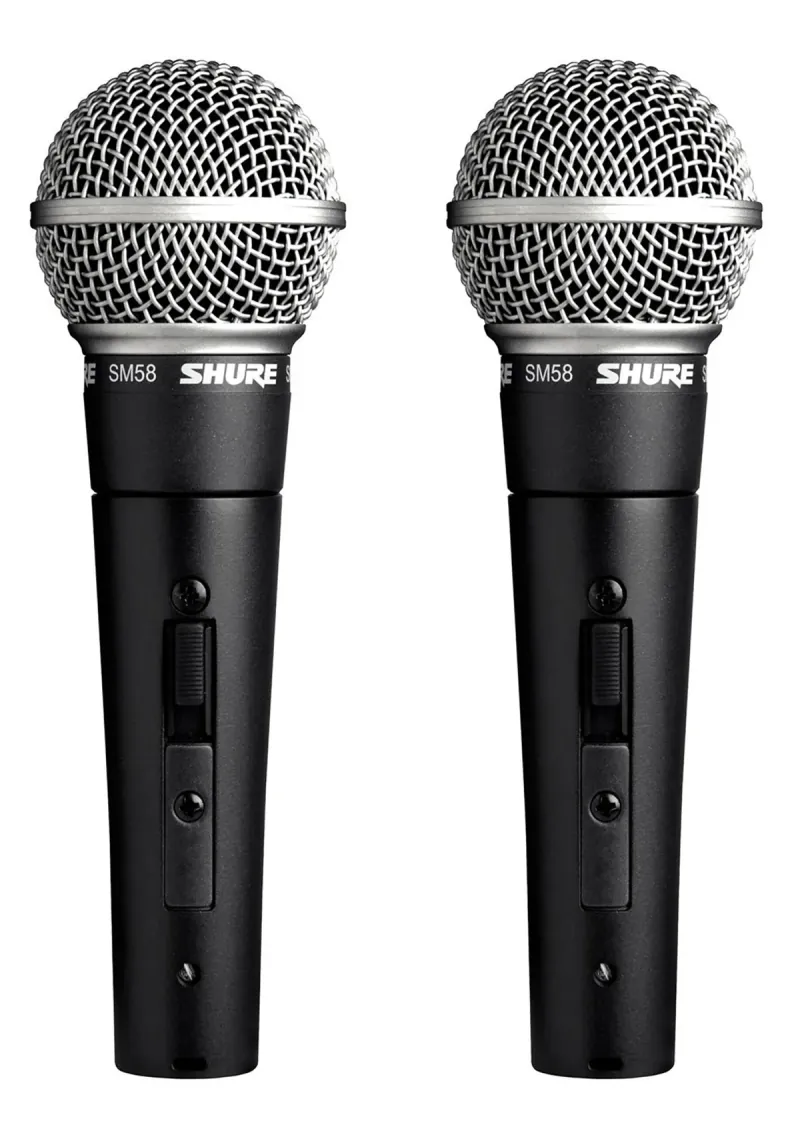
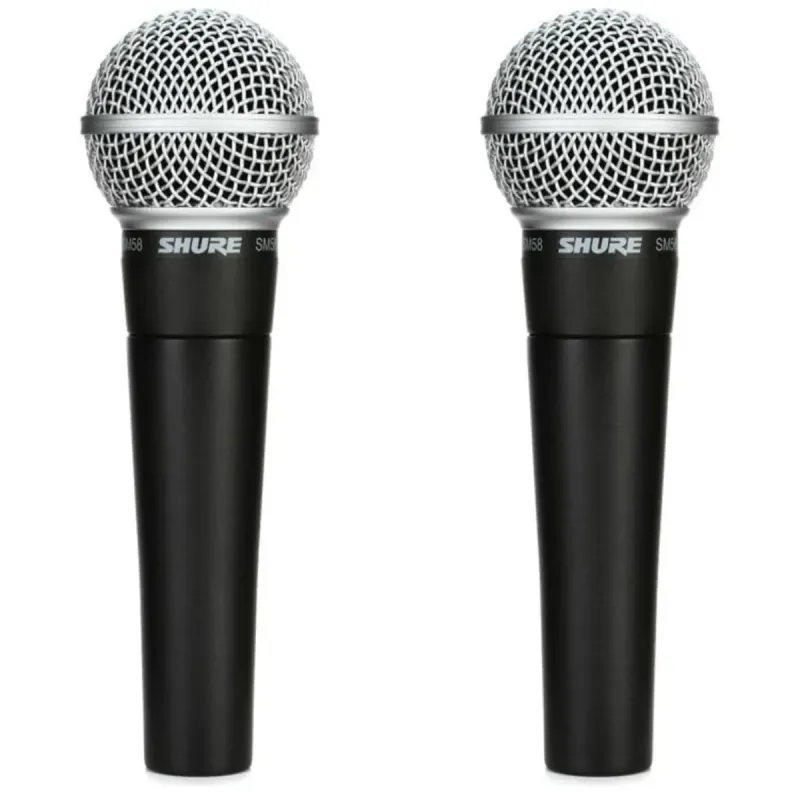
    Shure SM58 (2-Pack)

    Shure

    Shure SM58 (2-Pack)

    Est. Price

    ~$220

    Two legendary mics, about $110 each

    Read the price carefully: $220 buys a two-pack, so you're paying roughly $110 per microphone. That's the context for a top pick that costs four times our budget option.

    The SM58 earns the slot on numbers that barely move across decades: 95 background noise rejection, 98 build quality, 90 vocal clarity. Its own record calls it bulletproof, and it is — this is the mic that survives being dropped on a stage floor for twenty years.

    Two honest caveats. Sound warmth scores 75, well below the SM7dB's 95, because this is a live vocal mic rather than a studio condenser — expect a tighter, more cutting sound than the plush broadcast tone people picture. And if you only need one mic, the two-pack is the wrong purchase; the single-mic SM58S further down this list is the same family for $120.

    • Vocal Clarity 90
    • Sound Warmth 75
    • Background Noise Rejection 95
  2. #2
    Best Budget
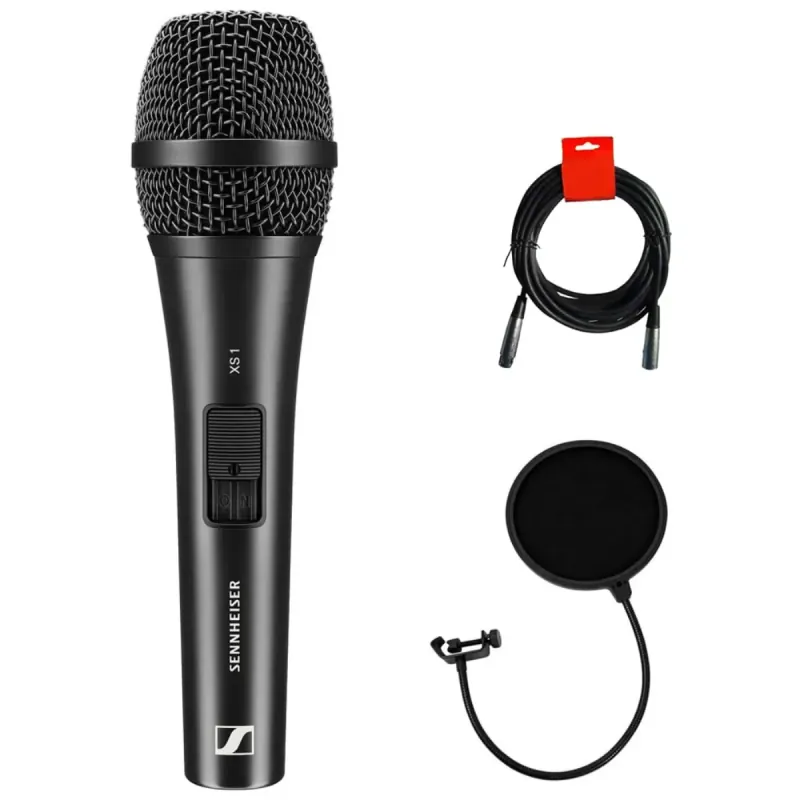
    Sennheiser XS 1 Handheld Cardioid Dynamic Vocal Microphone

    Sennheiser

    Sennheiser XS 1 Handheld Cardioid Dynamic Vocal Microphone

    Est. Price

    ~$55

    Fifty-five dollars, built to survive

    The XS 1 is the cheapest pick here at $55, and its scores tell you exactly what that buys: 90 plug-and-play simplicity, 80 build quality, and 75 background noise rejection. Its own data describes it as a no-frills workhorse built tough, which is a fair summary.

    It's the right first mic for someone who wants to start recording this week without a hardware research project.

    The limit is in the sound. Vocal clarity scores 70 — the lowest on this list, and twenty points behind the SM58 family — so voices come through clean but without much character or detail. Sound warmth is 65. You'll outgrow it if podcasting sticks, and at $55 that's a perfectly reasonable thing to plan for.

    • Vocal Clarity 70
    • Sound Warmth 65
    • Background Noise Rejection 75
  3. #3
    Best Premium
    Shure SM7dB

    Shure

    Shure SM7dB

    Est. Price

    ~$550

    The broadcast standard, gain problem solved

    The SM7dB is the premium pick at $550 — $495 above the cheapest option — and it posts the best sound warmth score on this list at 95, alongside 90 clarity, 92 noise rejection, and a 98 build.

    Warmth is the number that matters here. This is the deep, close, radio-booth tone that people mean when they say a podcast sounds professional, and nothing else on this list gets near it.

    What the extra money genuinely fixes: its own data notes the integrated preamp addresses the classic gain hunger of this design, so you don't need a separate booster to drive it properly. Plug-and-play still scores 85 rather than higher, because you're running XLR into an interface — this is not a plug-into-USB purchase. Worth it if podcasting is the job, hard to justify if it's a hobby.

    • Vocal Clarity 90
    • Sound Warmth 95
    • Background Noise Rejection 92
  4. #4
    Best for Podcaster
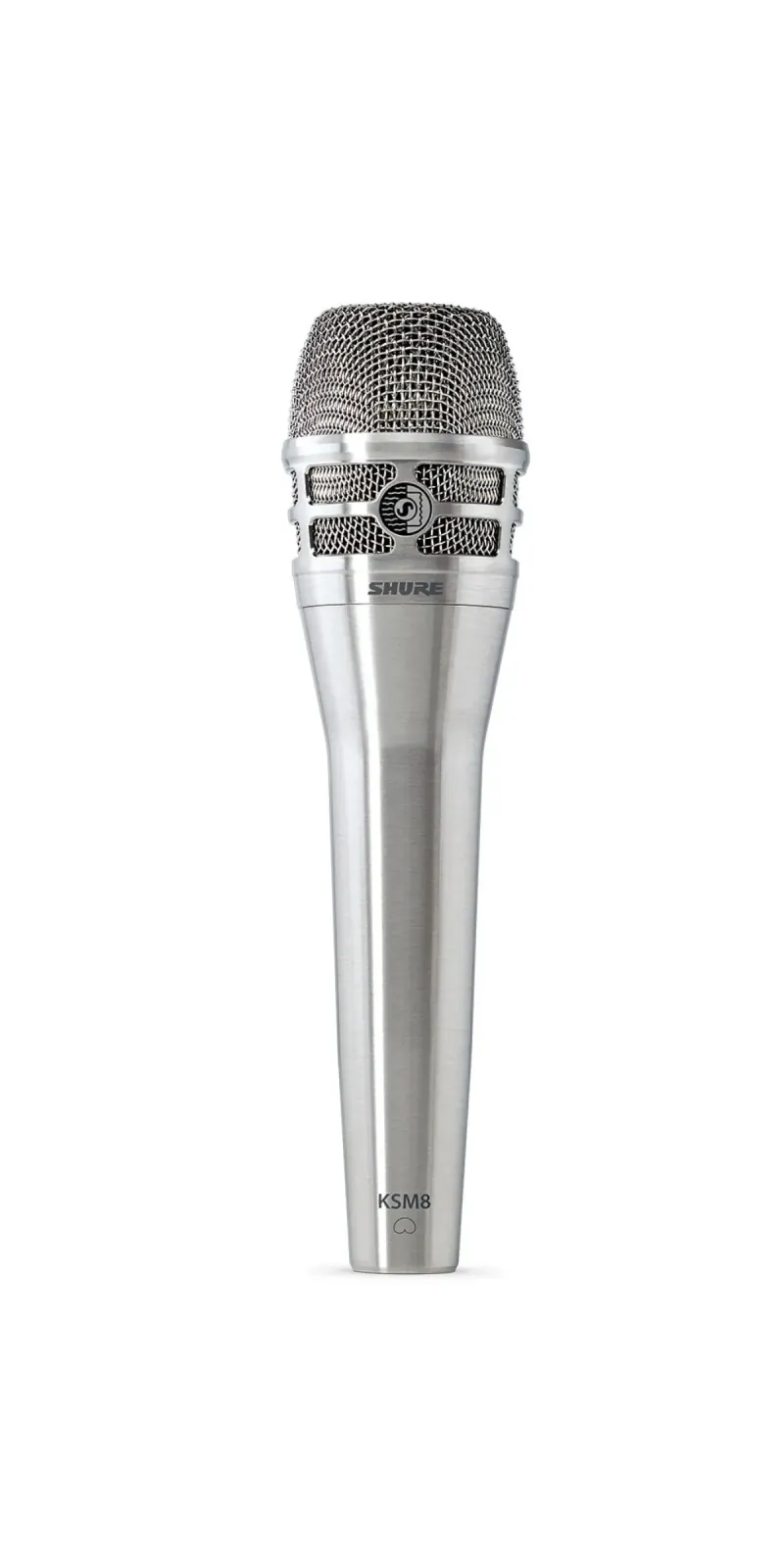
    Shure KSM8 Dualdyne

    Shure

    Shure KSM8 Dualdyne

    Est. Price

    ~$440

    Highest clarity and rejection scores here

    The KSM8 takes the podcaster slot on the two scores that decide how a voice sits in a mix: 95 vocal clarity and 96 background noise rejection, both the highest numbers on this list, with a 98 build and 90 warmth.

    Its dual-diaphragm design is what its own data credits for that combination — detail without the room coming along for the ride. For a multi-person show recorded in a normal room, that's the technical problem you're actually trying to solve.

    The tradeoff is stark: plug-and-play scores 60, the lowest on this list by 25 points. Its own data is explicit that it requires an XLR setup, so budget for an interface and cables on top of the $440. For anyone unwilling to build that chain, the MD 445 below scores 98 on simplicity for $40 less.

    • Vocal Clarity 95
    • Sound Warmth 90
    • Background Noise Rejection 96
  5. #5
    Best for Streamer
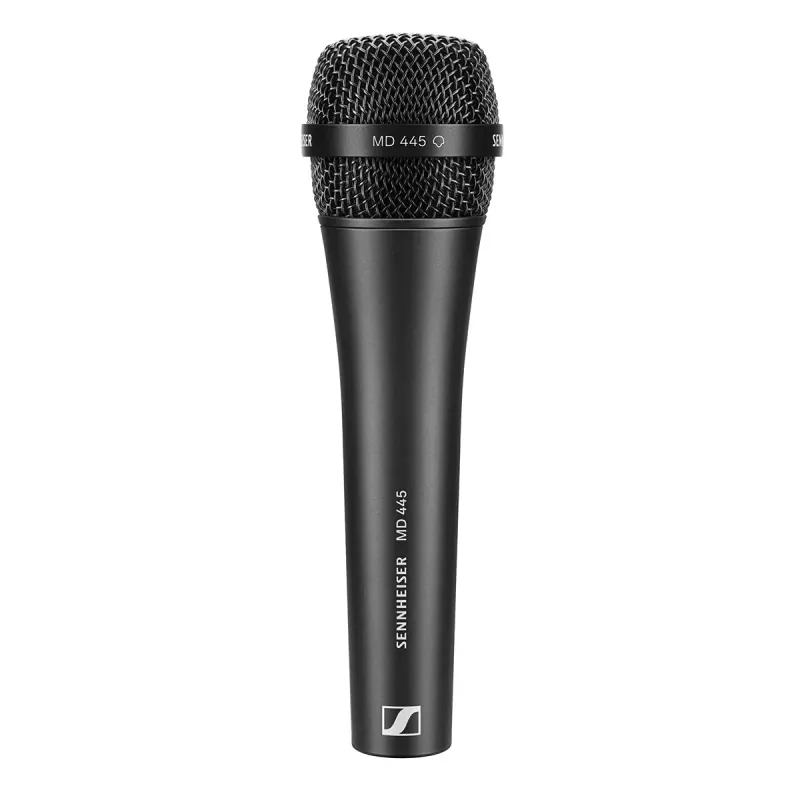
    Sennheiser MD 445 Black

    Sennheiser

    Sennheiser MD 445 Black

    Est. Price

    ~$400

    Near-top clarity with the easiest setup

    The MD 445 wins the streamer slot on a combination nothing else here matches: 92 vocal clarity and 95 noise rejection paired with 98 plug-and-play simplicity. At $400 it's about $40 more than our last recorded price.

    For live streaming, that simplicity score is worth real money. You're going live on a schedule, and gear that behaves the same way every time beats gear that needs coaxing.

    The honest tradeoff is tone: sound warmth scores 70, second-lowest on this list, and its own data calls the sound precise rather than rich — designed for cutting through a live stage, not for sounding cozy. If your stream is mostly talking and you want listeners to settle in, the SM7dB's 95 warmth is the opposite philosophy for $150 more.

    • Vocal Clarity 92
    • Sound Warmth 70
    • Background Noise Rejection 95
  6. #6
    Best for Beginner
    Shure SM58S

    Shure

    Shure SM58S

    Est. Price

    ~$120

    The same classic, one mic, with a switch

    Yes, this is the SM58 again — the single-mic version with an on/off switch, at $120. It's on the list twice because the data ranks the two-pack and the switched single separately, and honestly, most beginners want this one.

    Its scores edge the two-pack in two places: 99 build quality and 98 plug-and-play, the highest simplicity number on this list alongside the MD 445. Clarity (90) and noise rejection (95) match.

    The switch is the reason to choose it and also the thing to think about — some hosts love a physical mute, others knock it mid-recording. Sound warmth is 65, the coolest tone on this list; this mic is about reliability, not richness. At $65 over the cheapest pick, it's the safest small upgrade here.

    • Vocal Clarity 90
    • Sound Warmth 65
    • Background Noise Rejection 95
  7. #7
    Also Great
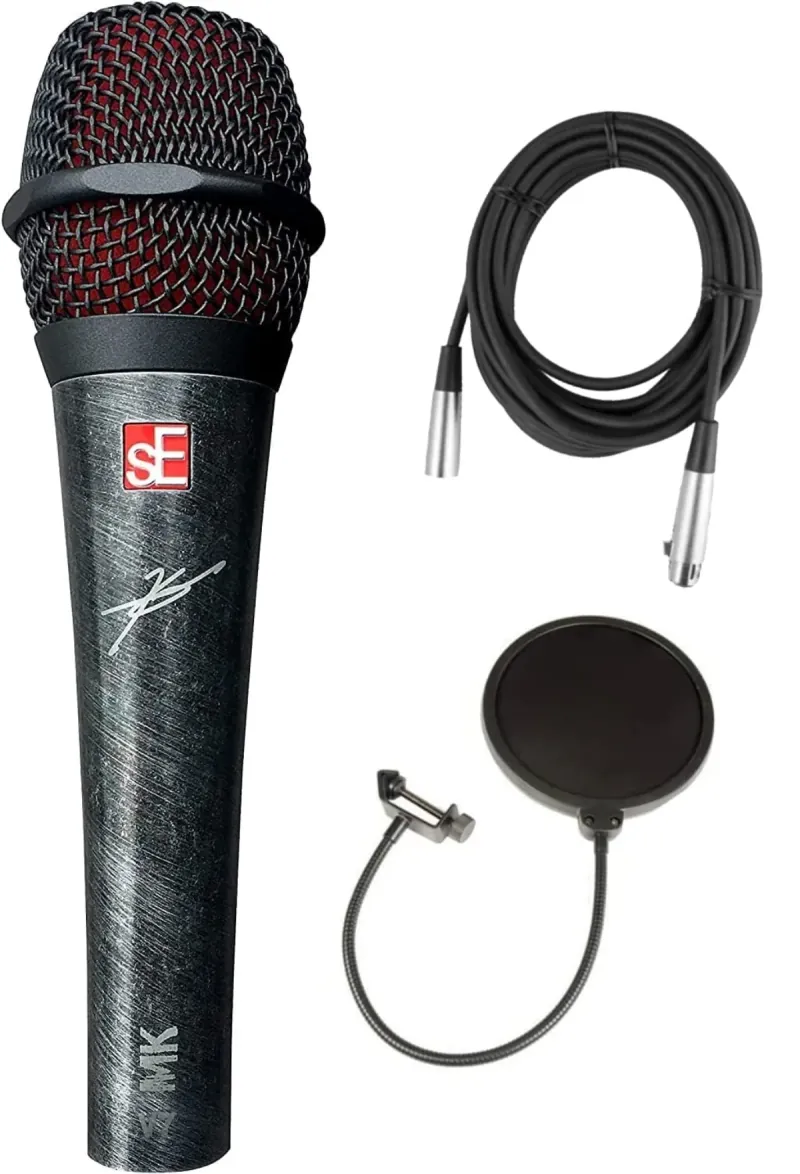
    sE Electronics V7 MK Myles Kennedy Signature Vocal Microphone

    sE Electronics

    sE Electronics V7 MK Myles Kennedy Signature Vocal Microphone

    Est. Price

    ~$150

    Mid-price mic that skips the interface fuss

    The V7 MK rounds out the list at $150 with 85 vocal clarity, 90 noise rejection, 90 build, and 95 plug-and-play — a set of numbers with no weak spot, sitting $95 above the cheapest pick.

    It's the pick for someone who wants a clear step up from entry level without the $400-plus commitments above it. Sound warmth at 75 matches the SM58 two-pack, so the tone is neutral rather than thin.

    What you give up compared to the mics above: clarity trails the KSM8 by ten points and the SM7dB by five, which in practice means a slightly less detailed vocal that needs more care in editing. Its own data also notes the signature bundling, so check exactly what's in the box before you buy — the accessories are part of what you're paying for.

    • Vocal Clarity 85
    • Sound Warmth 75
    • Background Noise Rejection 90

How We Ranked This

Every product on this list was scored on a 0–100 scale across the features that matter most for this category — things like performance, durability, and value — each weighted by importance. Rankings are pulled directly from that data, not editorial opinion: the AI only writes the explanations, the picks themselves come from the numbers.

Scores are relative to the 181 podcast and studio mics currently scored in this category, so a 95 means top-of-class here rather than across all microphones. Every pick's live listing was verified this week; renewed, unavailable, and high-price-flagged listings are excluded from selection automatically.

Want to weight the features yourself — prioritize battery life over price, or vice versa? Use our interactive comparison tool to build a personalized ranking.

Frequently Asked Questions

Why is a two-pack the number-one pick?
Because the ranking scores the product as listed, and this listing is two SM58s for $220 — about $110 each, which is competitive for that mic. If you're recording a two-person show in one room, it's genuinely the efficient buy. If you need one mic, skip it: the SM58S on this list is the same microphone family, single, at $120.
Why do handheld stage mics dominate this list?
Because background noise rejection carries real weight in our scoring, and dynamic handhelds are built to reject everything that isn't directly in front of them — the SM58 family and KSM8 score 95 and 96. In an untreated room with a computer running, that's worth more than raw detail. In a quiet treated space, a condenser would rank differently, and this list would look different too.
What does the plug-and-play score actually measure?
How much gear stands between the microphone and a recording. The spread on this list is the widest of any feature: the KSM8 scores 60 because it needs an XLR chain and an interface, while the SM58S and MD 445 hit 98. It isn't a sound-quality measure — it's a friction measure, and for anyone recording alone on a schedule, friction is what kills consistency.
Does sound warmth matter, or is clarity enough?
Warmth is the difference between a voice that's intelligible and one that's pleasant to sit with for an hour. This list ranges from 65 (SM58S) to 95 (SM7dB), and that gap is audible immediately. For interviews and news-style shows, clarity plus noise rejection is plenty. For long-form conversation where listeners stay for the tone, warmth is what the extra money buys.

Want a pick tailored to you?

Slide the priorities that matter to you — price, performance, whatever — and our comparison tool re-ranks every Podcast & Studio Mics product in real time.

Compare All Podcast & Studio Mics