✦ Adjust rankings to your needs
Podcast & Studio Mics

Best Podcast & Studio Mics for Streamer

Shop Podcast & Studio Mics optimized for streaming. We prioritize background noise rejection and clarity to make your voice stand out from the action.
Max price: $1,099
⭐ Best Match
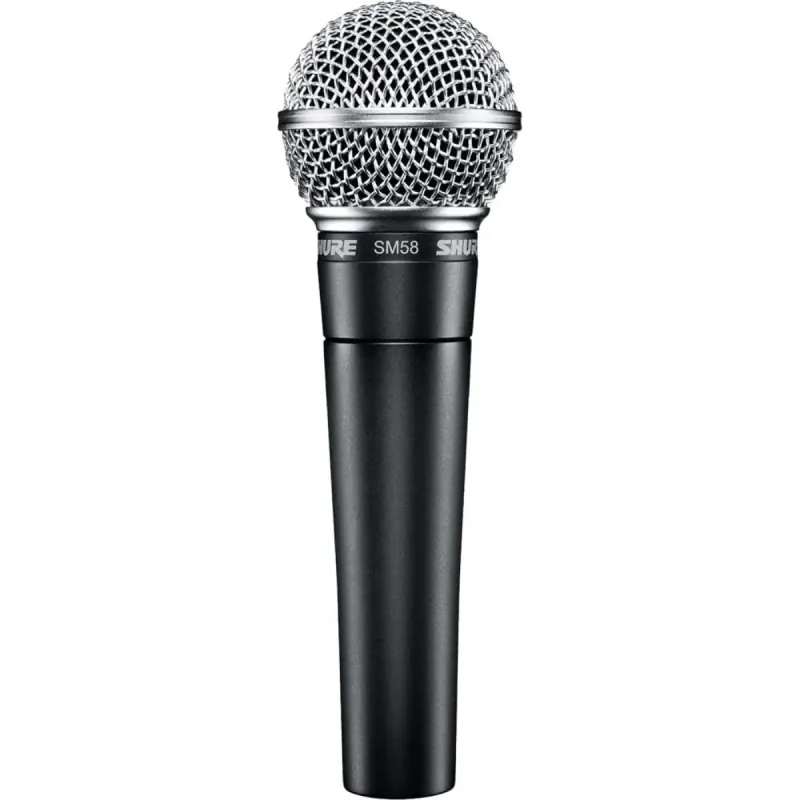
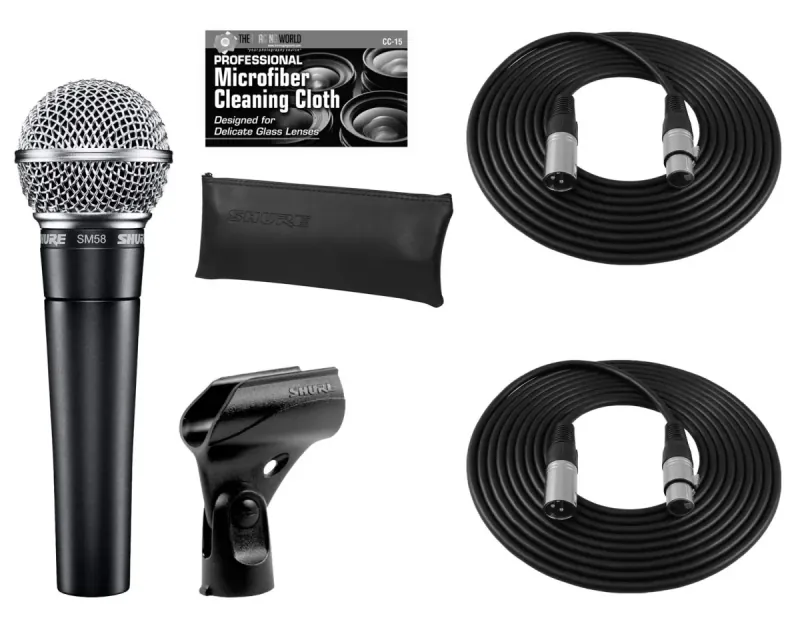
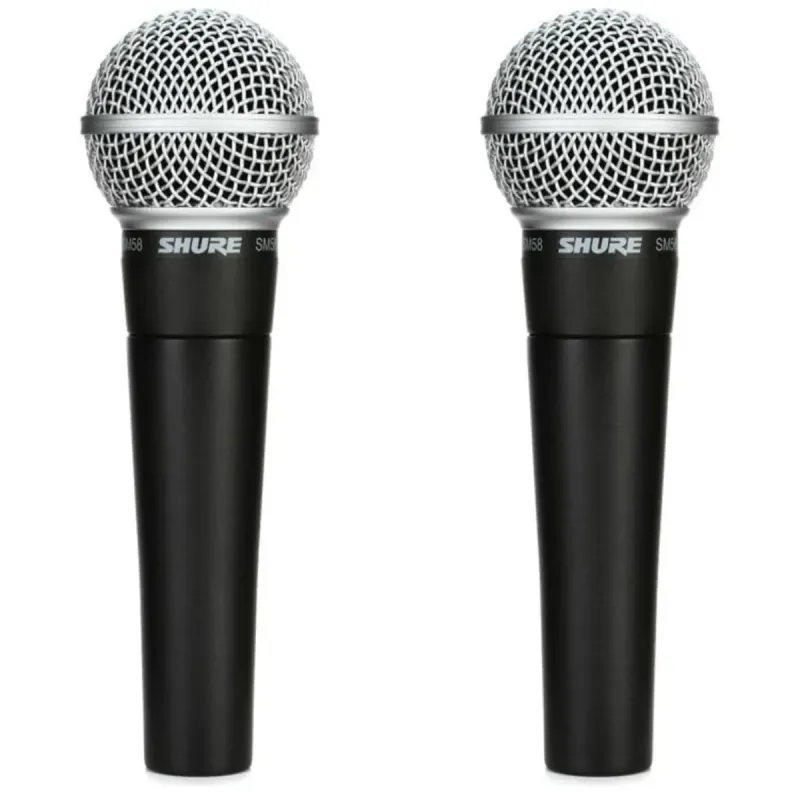
Shure SM58 (2-Pack)

Shure

4.8

Shure SM58 (2-Pack)

Personal Match Score 85%

Price Range

$ $ $
Check Current Price →
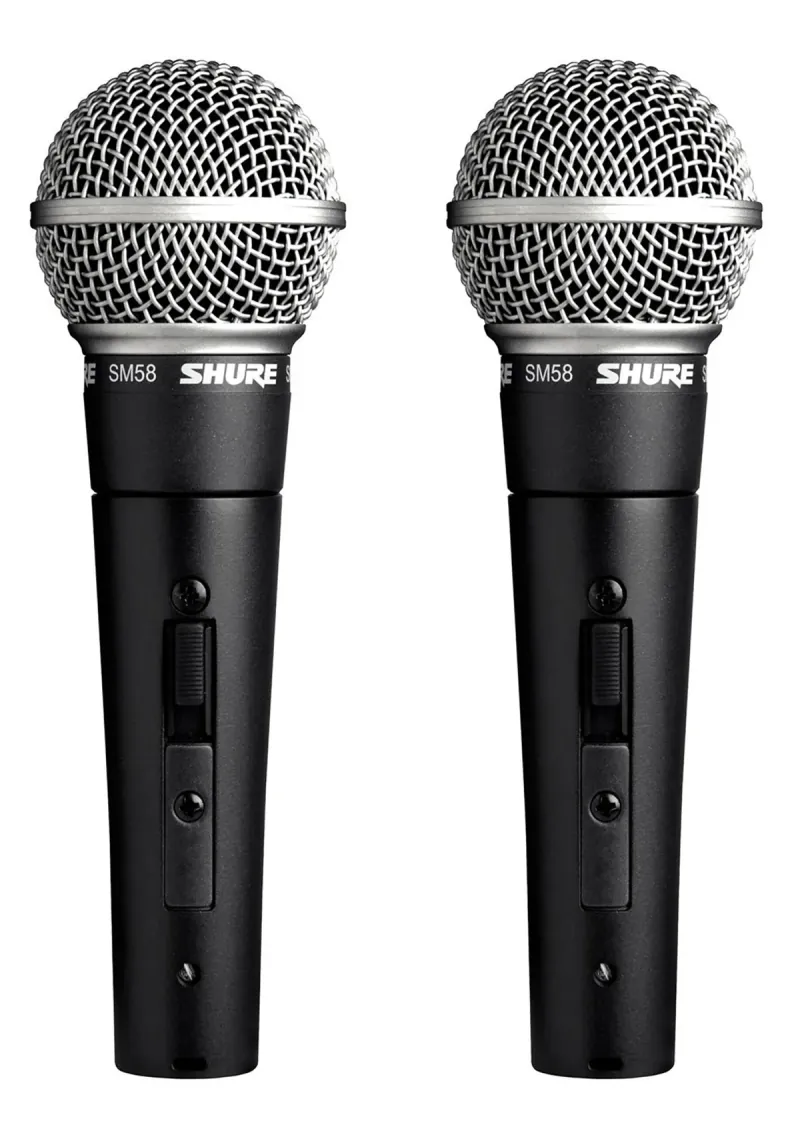
Shure SM58S

Shure

4.8

Shure SM58S

Personal Match Score 85%

Price Range

$ $ $
Check Current Price →
Shure SM58

Shure

4.7

Shure SM58

Personal Match Score 85%

Price Range

$ $ $
Check Current Price →
Shure SM58-LC

Shure

4.7

Shure SM58-LC

Personal Match Score 85%

Price Range

$ $ $
Check Current Price →
sE Electronics V7 MK Myles Kennedy Signature Vocal Microphone

sE Electronics

5.0

sE Electronics V7 MK Myles Kennedy Signature Vocal Microphone

Personal Match Score 84%

Price Range

$ $ $
Check Current Price →
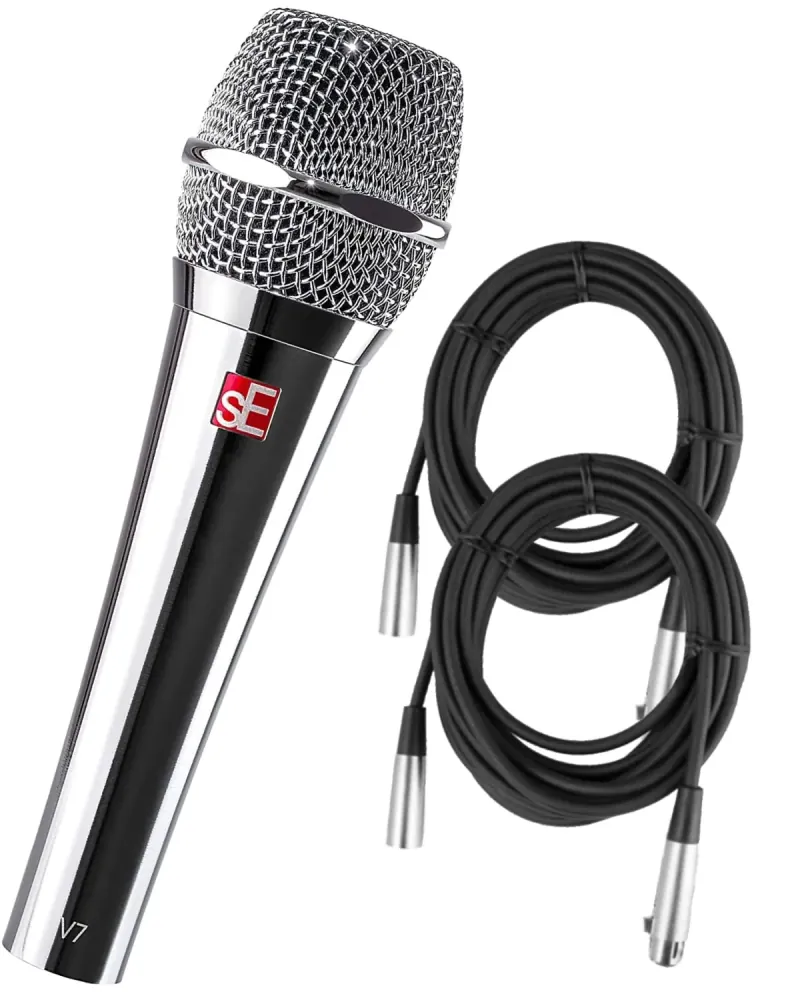
sE Electronics V7 Chrome

sE Electronics

4.9

sE Electronics V7 Chrome

Personal Match Score 83%

Price Range

$ $ $
Check Current Price →

If you are buying a microphone for streaming, your setup has unique challenges. You aren't in a soundproofed studio; you're in a room with a whirring PC, a clattering mechanical keyboard, and potential echo. That's why the most important feature for you is **Background Noise Rejection**. You need a mic that isolates your voice and ignores everything else. This goes hand-in-hand with **Vocal Clarity**, ensuring your commentary is crisp and intelligible over gameplay and music. Finally, because you want to spend your time creating content, not troubleshooting gear, **Plug-and-Play Simplicity** is essential for a frustration-free experience when you go live.

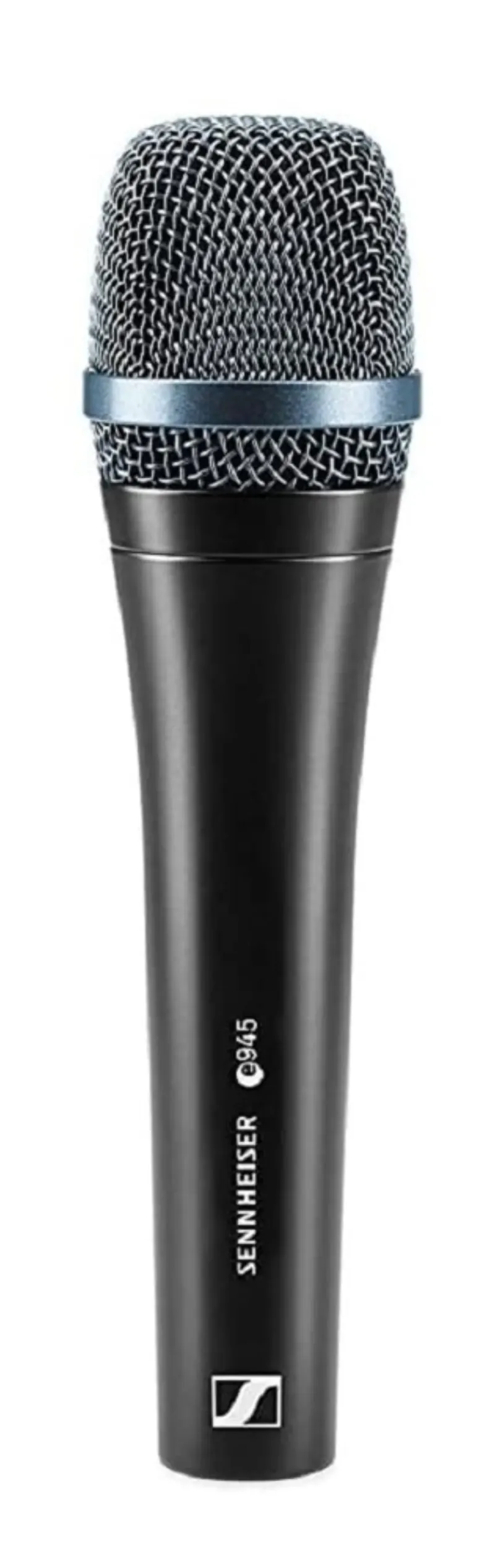
For these reasons, our tests consistently show that dynamic microphones with tight pickup patterns are the superior choice for streamers. They are specifically designed to capture what's directly in front of them—your voice—while rejecting sounds from the sides and back. This is why models like the Sennheiser MD 445 and the legendary Shure SM7dB (often paired with an interface like the MVX2U for easy connection) dominate our rankings for this use-case. They deliver that clean, broadcast-quality sound without requiring a perfectly silent room, letting you focus on your audience.

How We Rank

Our rankings for Podcast & Studio Mics are generated by an AI that analyzes a massive volume of real-world user reviews. The algorithm prioritizes the factors that matter most for clean vocal recording, with Vocal Clarity and Background Noise Rejection carrying the most weight in the final score. This data-driven approach helps you find the best-performing microphone based on structured, unbiased analysis.

Frequently Asked Questions

A cardioid or supercardioid pattern is best for nearly all streamers. These patterns are directional, meaning the mic captures sound from directly in front of it while strongly rejecting noise from the sides and rear. This is ideal for isolating your voice from your keyboard, mouse clicks, and PC fans. Avoid omnidirectional mics, which pick up sound equally from all directions and will capture too much unwanted room noise for a clean stream.
This is a trade-off between simplicity and quality. USB mics are the definition of plug-and-play, connecting directly to your PC. XLR mics, like most of our top picks, require a separate audio interface but offer superior sound and more control. If you want a simple, good-enough setup, USB is fine. If you're serious about audio and want a professional sound that can grow with your channel, the investment in an XLR setup is worth it.
Not usually. While condenser mics are more sensitive and capture more detail, this is a disadvantage for most streamers. In a typical, untreated room, they will pick up every keyboard clack, PC fan whir, and echo. Dynamic mics are less sensitive and excel at rejecting off-axis noise, making them a far more practical choice for isolating your voice and achieving a clean, broadcast-ready sound without a professional studio environment.
For most beginners, a USB condenser microphone is the best starting point. The Logitech Blue Yeti is a classic for a reason: it's incredibly easy to set up—just plug it into your computer—and offers good vocal quality out of the box. Its multiple recording patterns also give you flexibility as you learn.
Yes, if audio quality is your top priority. Budget mics like the Fifine K669B provide functional clarity, but spending more gets you significantly better Sound Warmth, lower internal noise, and superior Build Quality. A premium mic captures a richer, more professional sound that requires less editing later.
Absolutely, especially for a sensitive condenser mic. A pop filter stops the harsh 'p' and 'b' sounds (plosives) from distorting your audio, while a shock mount isolates the mic from vibrations from your desk or floor. Kits like the Fifine T669 are a great value because they often include these essential accessories.
A USB mic plugs directly into your computer and is ready to record, making it ideal for simplicity. An XLR mic is the professional standard that requires a separate piece of hardware called an audio interface to connect to your computer. For podcasting and streaming, a quality USB mic offers more than enough performance without the extra cost and complexity of an XLR setup.
In a noisy or echoey room, a dynamic microphone is almost always better than a condenser. Condenser mics like the Blue Yeti are very sensitive and will pick up everything, including fan hum and reverb. Dynamic mics are less sensitive and better at rejecting sound from the sides, focusing only on your voice.