✦ Adjust rankings to your needs
Podcast & Studio Mics

Best Podcast & Studio Mics for Podcaster

Find the best Podcast & Studio Mics with exceptional vocal clarity and warmth. Our rankings focus on that professional broadcast sound for your show.
Max price: $1,099
⭐ Best Match
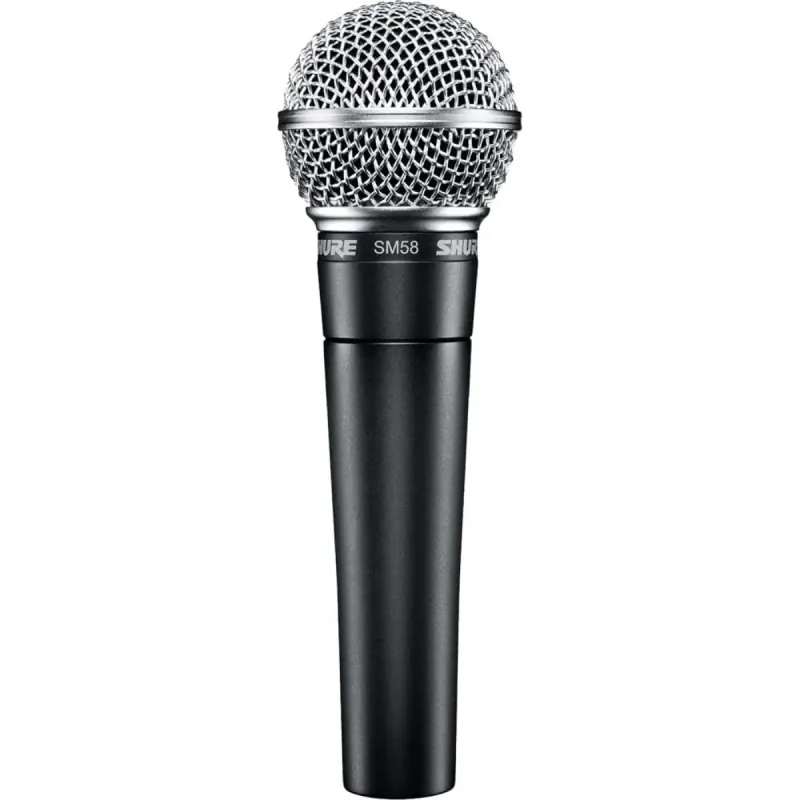
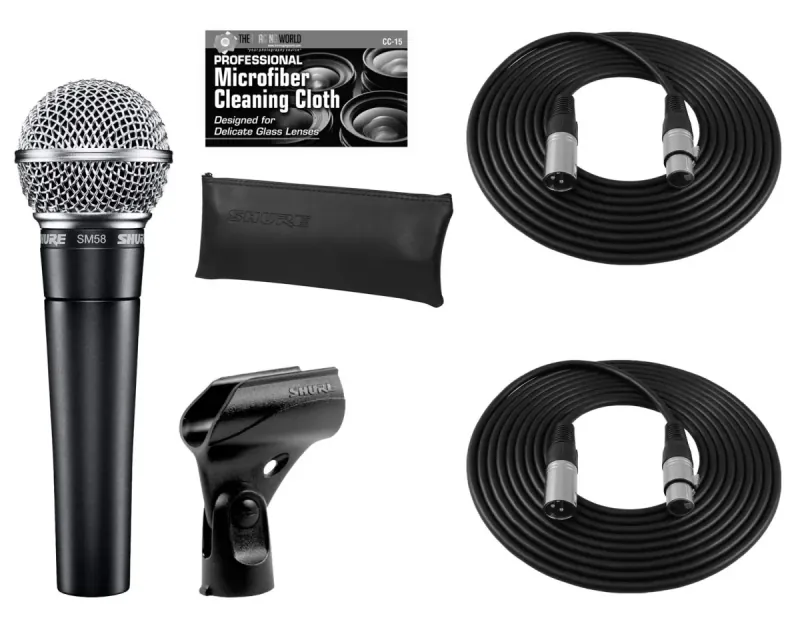
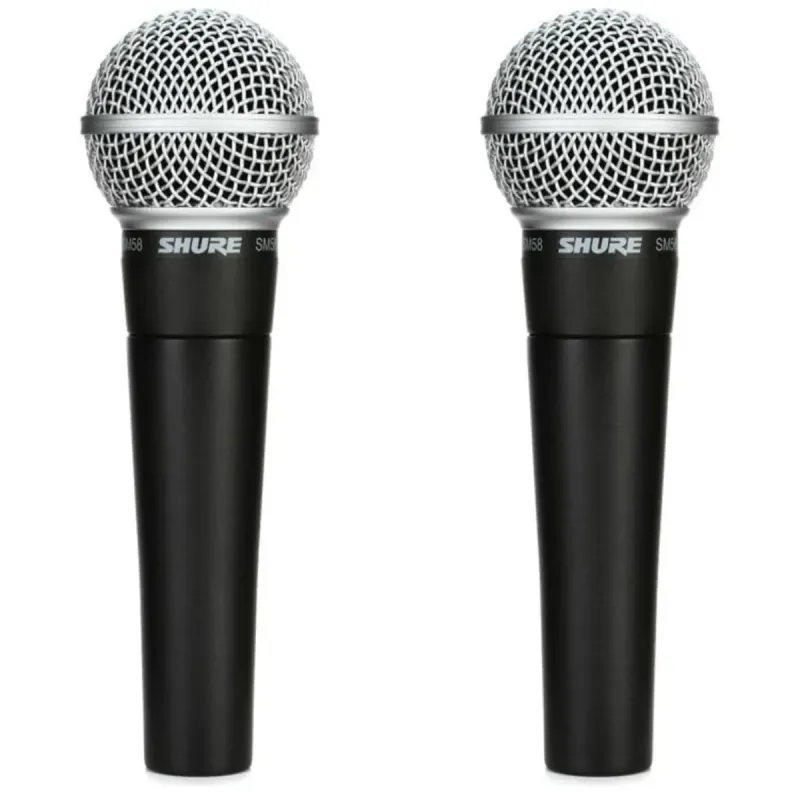
Shure SM58 (2-Pack)

Shure

4.8

Shure SM58 (2-Pack)

Personal Match Score 85%

Price Range

$ $ $
Check Current Price →
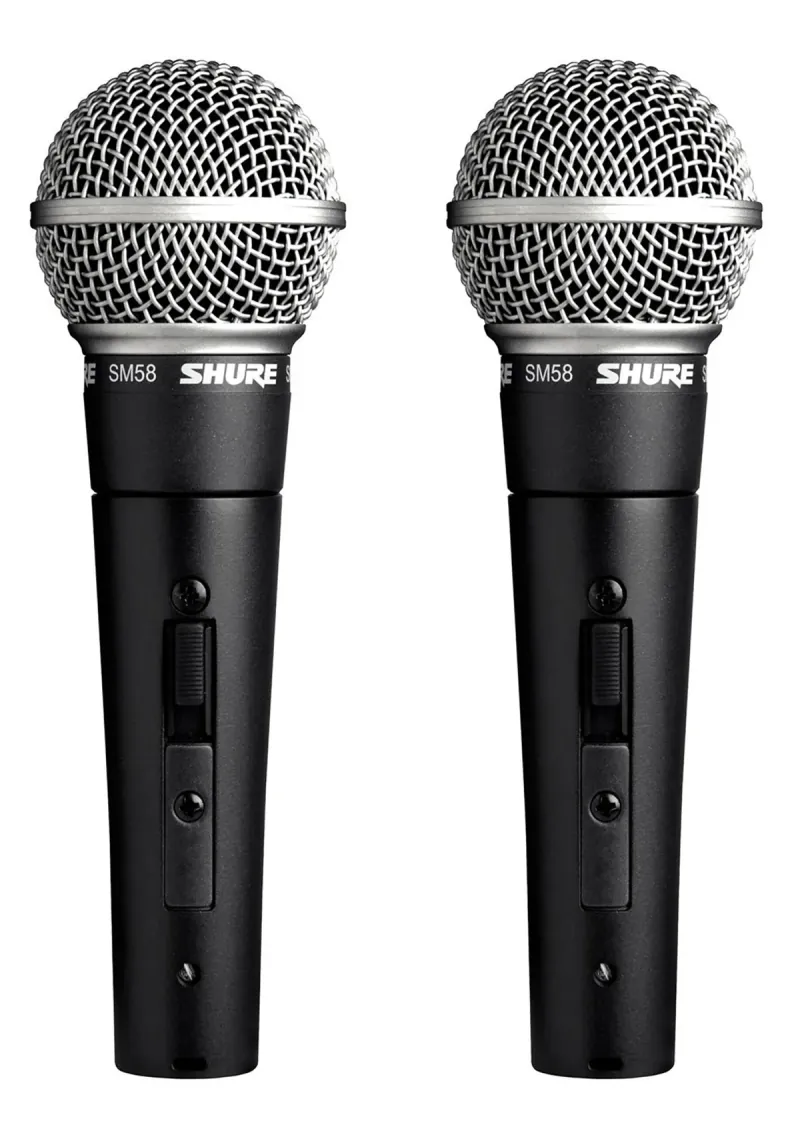
Shure SM58S

Shure

4.8

Shure SM58S

Personal Match Score 85%

Price Range

$ $ $
Check Current Price →
Shure SM58

Shure

4.7

Shure SM58

Personal Match Score 85%

Price Range

$ $ $
Check Current Price →
Shure SM58-LC

Shure

4.7

Shure SM58-LC

Personal Match Score 85%

Price Range

$ $ $
Check Current Price →
sE Electronics V7 MK Myles Kennedy Signature Vocal Microphone

sE Electronics

5.0

sE Electronics V7 MK Myles Kennedy Signature Vocal Microphone

Personal Match Score 84%

Price Range

$ $ $
Check Current Price →
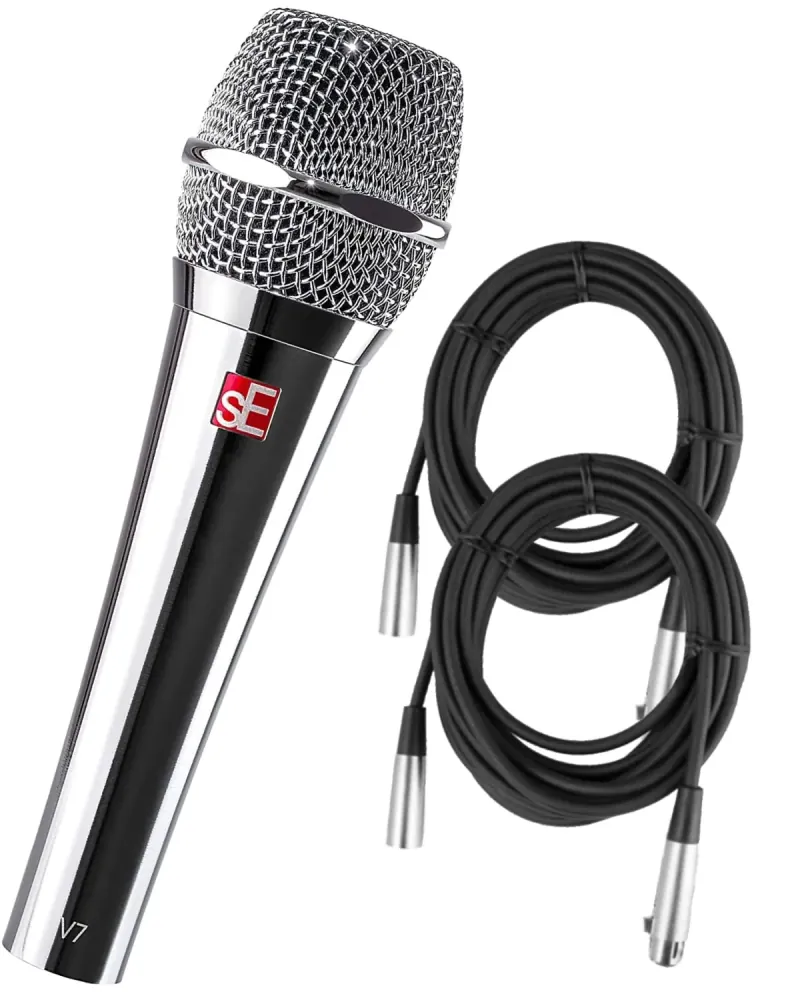
sE Electronics V7 Chrome

sE Electronics

4.9

sE Electronics V7 Chrome

Personal Match Score 83%

Price Range

$ $ $
Check Current Price →

If you're buying a microphone for podcasting, your goal is a professional, broadcast-quality sound that keeps listeners engaged. You don't want them distracted by thin, harsh audio or the sound of your air conditioner kicking on. This means prioritizing three key features: exceptional Vocal Clarity, a pleasant Sound Warmth, and excellent Background Noise Rejection. Vocal clarity ensures every word is intelligible and crisp, while warmth gives your voice a rich, full-bodied presence that's easy to listen to for long periods. Crucially, strong background noise rejection, a hallmark of dynamic microphones, isolates your voice from room echo, keyboard clicks, and other ambient sounds in an untreated space like a home office. This is why you'll see models like the Shure SM7dB consistently topping the charts. It's designed to capture the nuances of speech while aggressively ignoring off-axis noise. This focus on voice isolation is what separates a dedicated podcasting mic from a general-purpose one, saving you hours of frustrating audio cleanup in post-production and delivering a polished final product straight from the source. It’s about making your voice the star of the show, not the room you're recording in.

How We Rank

Our rankings for Podcast & Studio Mics are generated by an AI that analyzes a massive volume of real-world user reviews. The algorithm prioritizes the factors that matter most for clean vocal recording, with Vocal Clarity and Background Noise Rejection carrying the most weight in the final score. This data-driven approach helps you find the best-performing microphone based on structured, unbiased analysis.

Frequently Asked Questions

For most podcasters, especially those in untreated rooms like a home office, a dynamic microphone is the better choice. Its lower sensitivity and focused pickup pattern provide superior background noise rejection, isolating your voice from room echo, computer fans, or street noise. While a condenser mic might capture more subtle detail, this often includes unwanted ambient sounds. A dynamic mic prioritizes vocal clarity and isolation, which is far more critical for a clean, professional-sounding podcast than capturing every tiny nuance of the room.
Often, yes. Top-tier dynamic podcast mics like the Shure SM7B are notoriously 'gain-hungry,' meaning they require a lot of power from your audio interface to reach a usable volume. An in-line preamp like a Cloudlifter provides this clean gain boost without introducing hiss. The trade-off is added cost and complexity. Alternatively, you can choose a mic with a built-in preamp, like the Shure SM7dB, or a hybrid USB/XLR mic like the MV7+, which simplifies your setup significantly.
Absolutely. High-quality USB mics like the Shure MV7+ can produce professional, broadcast-ready audio, especially for a solo host. They offer incredible convenience by combining the microphone, preamp, and analog-to-digital converter into one device. The main trade-off is flexibility. An XLR setup allows you to upgrade individual components—like the mic or interface—over time and makes multi-person recordings easier to manage. But for starting out with excellent quality, a premium USB mic is more than good enough.
For most beginners, a USB condenser microphone is the best starting point. The Logitech Blue Yeti is a classic for a reason: it's incredibly easy to set up—just plug it into your computer—and offers good vocal quality out of the box. Its multiple recording patterns also give you flexibility as you learn.
Yes, if audio quality is your top priority. Budget mics like the Fifine K669B provide functional clarity, but spending more gets you significantly better Sound Warmth, lower internal noise, and superior Build Quality. A premium mic captures a richer, more professional sound that requires less editing later.
Absolutely, especially for a sensitive condenser mic. A pop filter stops the harsh 'p' and 'b' sounds (plosives) from distorting your audio, while a shock mount isolates the mic from vibrations from your desk or floor. Kits like the Fifine T669 are a great value because they often include these essential accessories.
A USB mic plugs directly into your computer and is ready to record, making it ideal for simplicity. An XLR mic is the professional standard that requires a separate piece of hardware called an audio interface to connect to your computer. For podcasting and streaming, a quality USB mic offers more than enough performance without the extra cost and complexity of an XLR setup.
In a noisy or echoey room, a dynamic microphone is almost always better than a condenser. Condenser mics like the Blue Yeti are very sensitive and will pick up everything, including fan hum and reverb. Dynamic mics are less sensitive and better at rejecting sound from the sides, focusing only on your voice.