✦ Adjust rankings to your needs
Podcast & Studio Mics

Best Podcast & Studio Mics for Beginner

Easy-to-use Podcast & Studio Mics for beginners. Compare the best plug-and-play USB microphones that offer good clarity without complex setups.
Max price: $1,099
⭐ Best Match
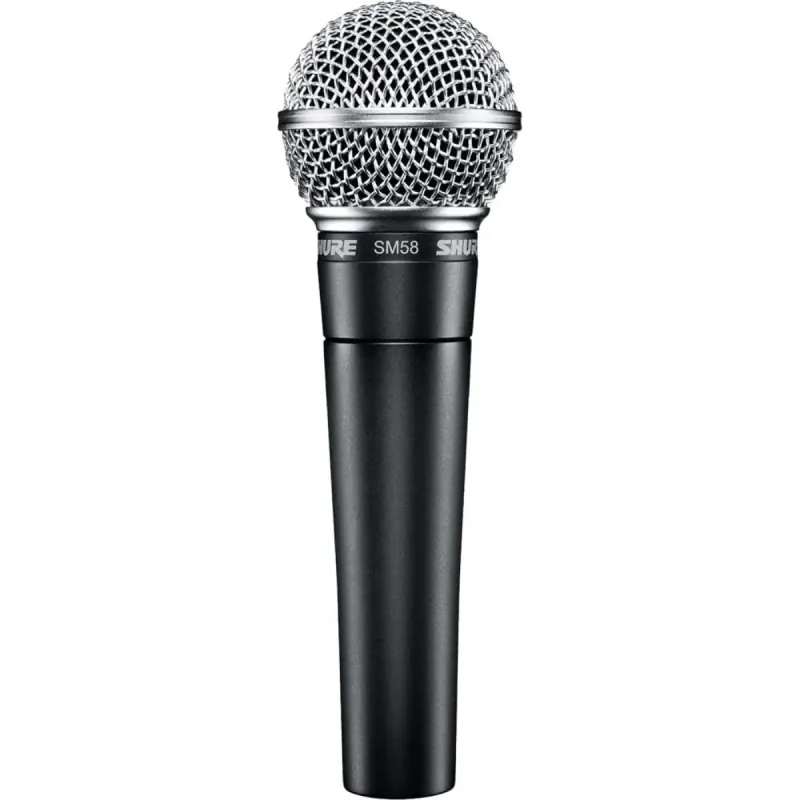
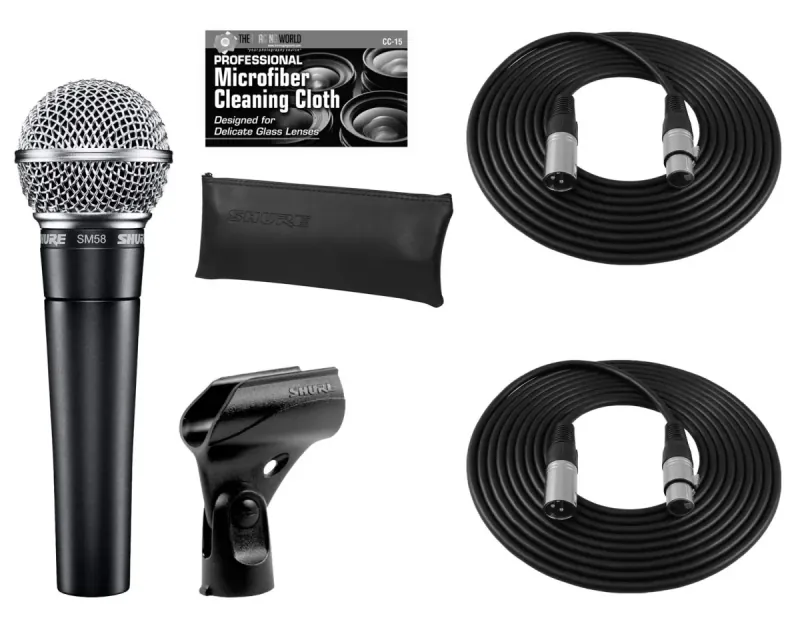
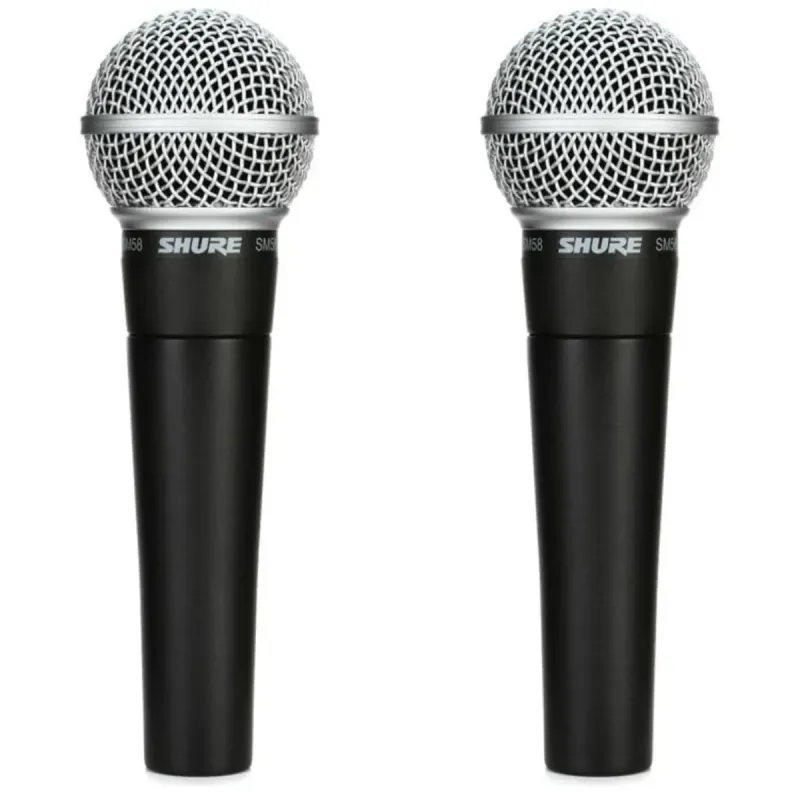
Shure SM58 (2-Pack)

Shure

4.8

Shure SM58 (2-Pack)

Personal Match Score 85%

Price Range

$ $ $
Check Current Price →
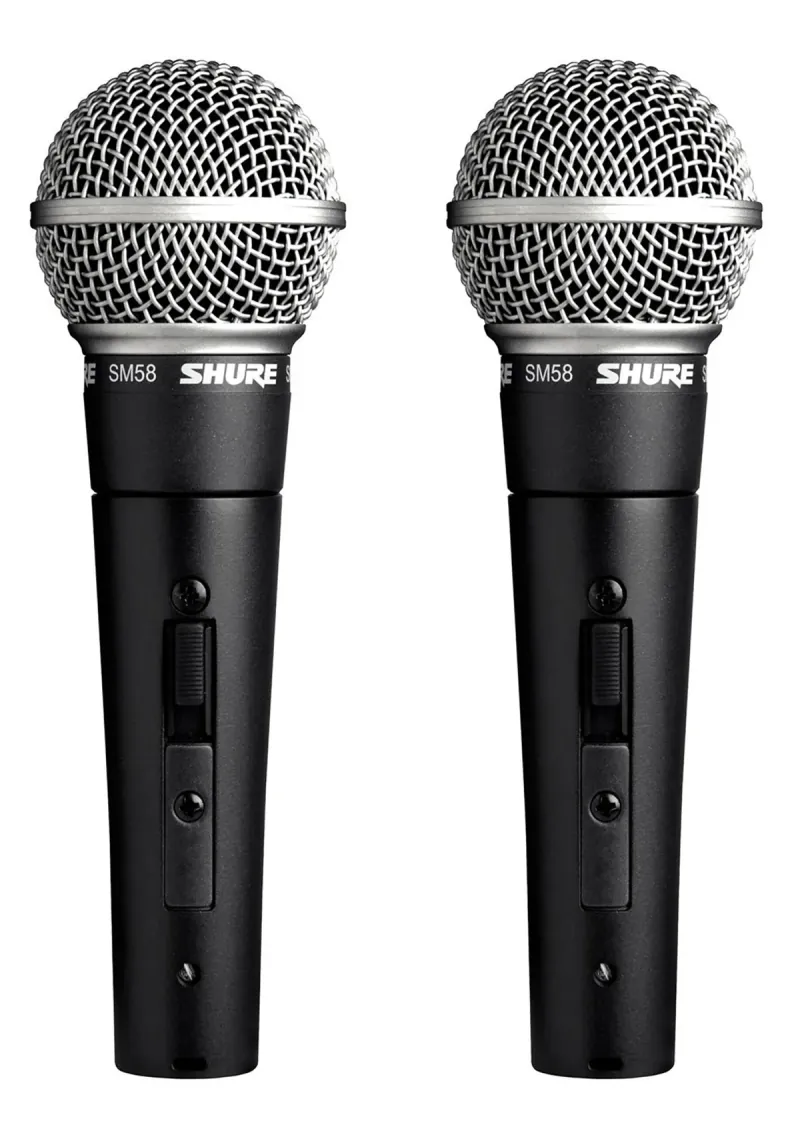
Shure SM58S

Shure

4.8

Shure SM58S

Personal Match Score 85%

Price Range

$ $ $
Check Current Price →
Shure SM58

Shure

4.7

Shure SM58

Personal Match Score 85%

Price Range

$ $ $
Check Current Price →
Shure SM58-LC

Shure

4.7

Shure SM58-LC

Personal Match Score 85%

Price Range

$ $ $
Check Current Price →
sE Electronics V7 MK Myles Kennedy Signature Vocal Microphone

sE Electronics

5.0

sE Electronics V7 MK Myles Kennedy Signature Vocal Microphone

Personal Match Score 84%

Price Range

$ $ $
Check Current Price →
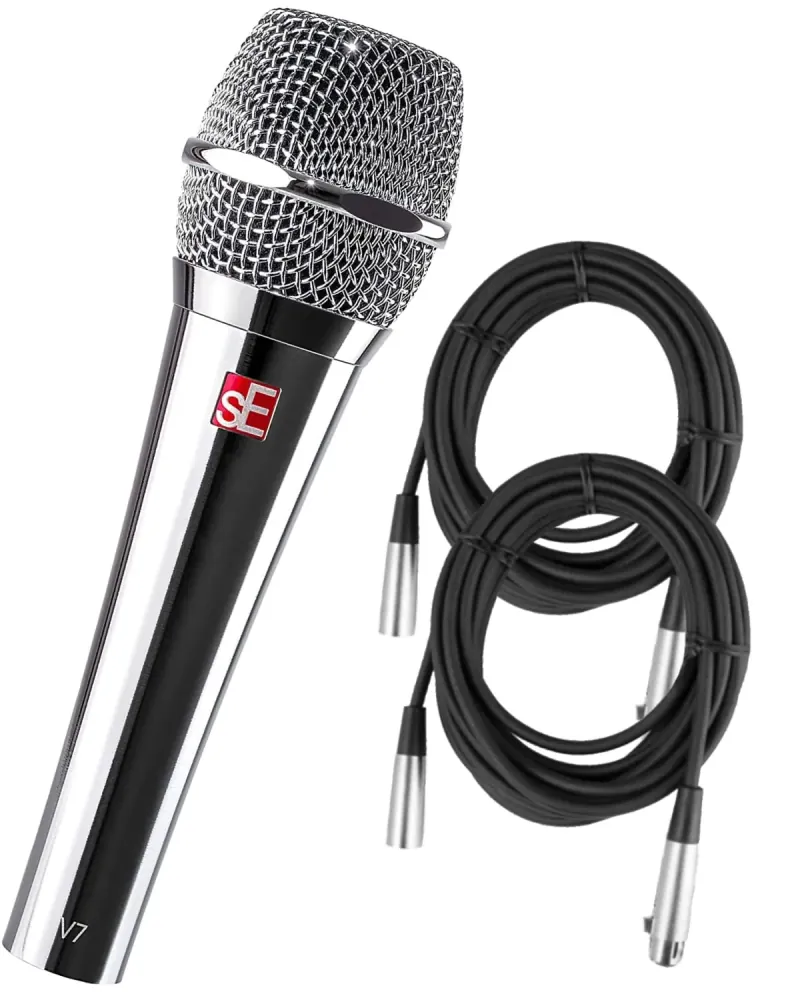
sE Electronics V7 Chrome

sE Electronics

4.9

sE Electronics V7 Chrome

Personal Match Score 83%

Price Range

$ $ $
Check Current Price →

If you are buying a Podcast & Studio Mic as a beginner, your main goal is to sound great without a steep learning curve. You're probably recording in a regular room, not a professional studio, so you need a mic that focuses squarely on your voice and ignores distracting echoes, keyboard clicks, or the hum of a nearby fan. For beginners, the most important features are Plug-and-Play Simplicity, Vocal Clarity, and Background Noise Rejection. You want a microphone you can connect and use within minutes, not one that requires complex software or extra equipment just to function.

Clear, rich vocal reproduction is essential to keep your listeners engaged, and strong background noise rejection ensures your audio sounds clean and professional even in an imperfect environment. This is why dynamic microphones often outperform sensitive condenser mics for beginners. Models like the industry-standard Shure SM58 or the versatile Shure MV7+ excel in these areas. They are designed to capture the voice directly in front of them while minimizing sounds from the sides and back, giving you a polished result with minimal effort. They let you focus on creating content, not on troubleshooting your audio setup.

How We Rank

Our rankings for Podcast & Studio Mics are generated by an AI that analyzes a massive volume of real-world user reviews. The algorithm prioritizes the factors that matter most for clean vocal recording, with Vocal Clarity and Background Noise Rejection carrying the most weight in the final score. This data-driven approach helps you find the best-performing microphone based on structured, unbiased analysis.

Frequently Asked Questions

A polar pattern is the area around a microphone where it picks up sound best. For beginners, the most important pattern is 'cardioid.' Imagine it as a heart-shaped zone in front of the mic. It captures your voice clearly when you speak into the front but rejects sounds from the sides and back, like keyboard typing or room echo. This built-in noise rejection is crucial for getting clean audio in a home studio without any special acoustic treatment.
USB mics are the definition of plug-and-play simplicity; you connect them directly to your computer and start recording. This is the easiest path for a beginner. XLR mics, like the classic Shure SM58, require a separate piece of gear called an audio interface. While this adds cost and a small learning curve, it offers better long-term flexibility and control over your sound. Your choice is between maximum convenience now (USB) versus more professional upgrade options later (XLR).
This is a common misconception. While condenser mics are very sensitive and capture fine detail, that sensitivity can be a disadvantage for beginners. In an untreated room, they will pick up every echo, fan noise, and street sound. Dynamic mics, like the Shure SM58, are less sensitive and excel at rejecting background noise. They are the standard for live vocals and radio for this reason, providing a clean, focused vocal sound that is often more 'professional' out of the box for home recording.
For most beginners, a USB condenser microphone is the best starting point. The Logitech Blue Yeti is a classic for a reason: it's incredibly easy to set up—just plug it into your computer—and offers good vocal quality out of the box. Its multiple recording patterns also give you flexibility as you learn.
Yes, if audio quality is your top priority. Budget mics like the Fifine K669B provide functional clarity, but spending more gets you significantly better Sound Warmth, lower internal noise, and superior Build Quality. A premium mic captures a richer, more professional sound that requires less editing later.
Absolutely, especially for a sensitive condenser mic. A pop filter stops the harsh 'p' and 'b' sounds (plosives) from distorting your audio, while a shock mount isolates the mic from vibrations from your desk or floor. Kits like the Fifine T669 are a great value because they often include these essential accessories.
A USB mic plugs directly into your computer and is ready to record, making it ideal for simplicity. An XLR mic is the professional standard that requires a separate piece of hardware called an audio interface to connect to your computer. For podcasting and streaming, a quality USB mic offers more than enough performance without the extra cost and complexity of an XLR setup.
In a noisy or echoey room, a dynamic microphone is almost always better than a condenser. Condenser mics like the Blue Yeti are very sensitive and will pick up everything, including fan hum and reverb. Dynamic mics are less sensitive and better at rejecting sound from the sides, focusing only on your voice.