✦ Adjust rankings to your needs
Productivity & Ergonomic Keyboards

Best Productivity & Ergonomic Keyboards for Programmer

Top productivity keyboards ranked for custom layouts and superior typing feel. Compare QMK/VIA compatible mechanical keyboards for coding efficiency.
Max price: $479
⭐ Best Match
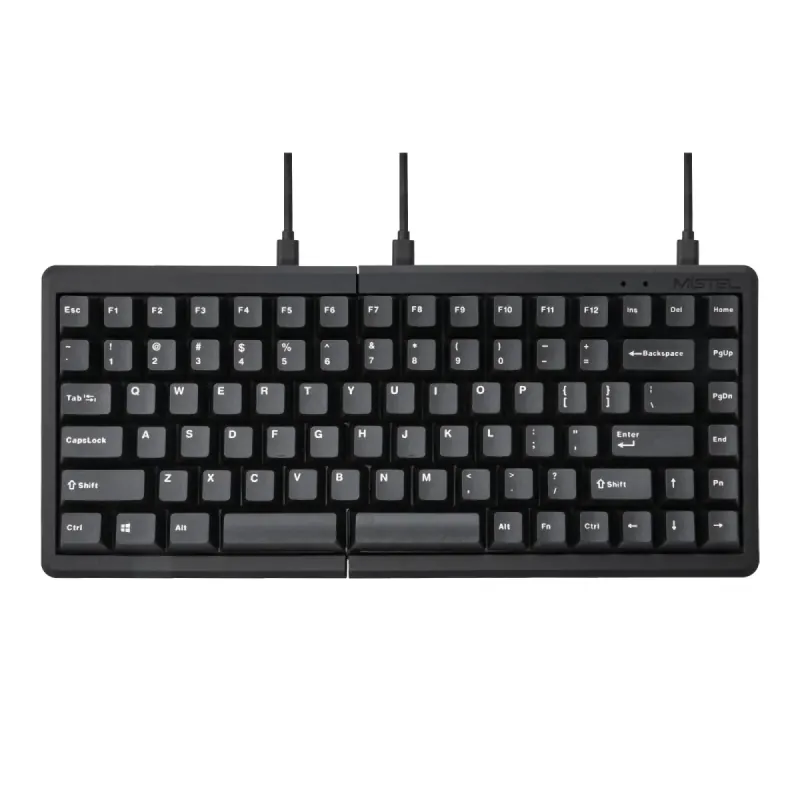
Mistel Barocco MD770 Classic Black/WF

Mistel

5.0

Mistel Barocco MD770 Classic Black/WF

Personal Match Score 82%

Price Range

$ $ $
Check Current Price →
YMDK BORNE Knob Corne4x6

YMDK

4.8

YMDK BORNE Knob Corne4x6

Personal Match Score 81%

Price Range

$ $ $
Check Current Price →
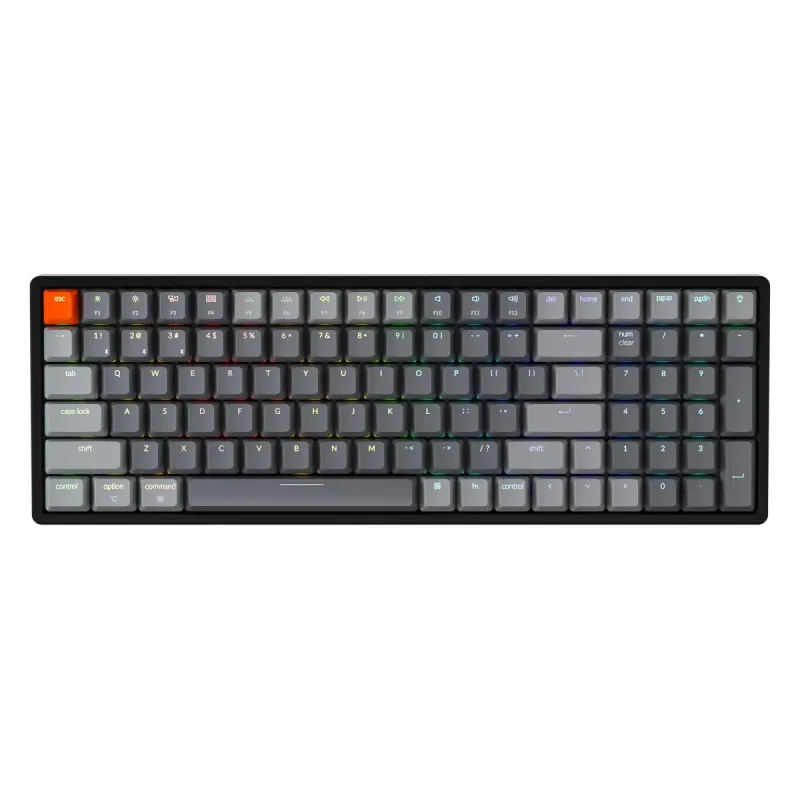
Keychron K2 75% Layout V3

Keychron

4.9

Keychron K2 75% Layout V3

Personal Match Score 80%

Price Range

$ $ $
Check Current Price →
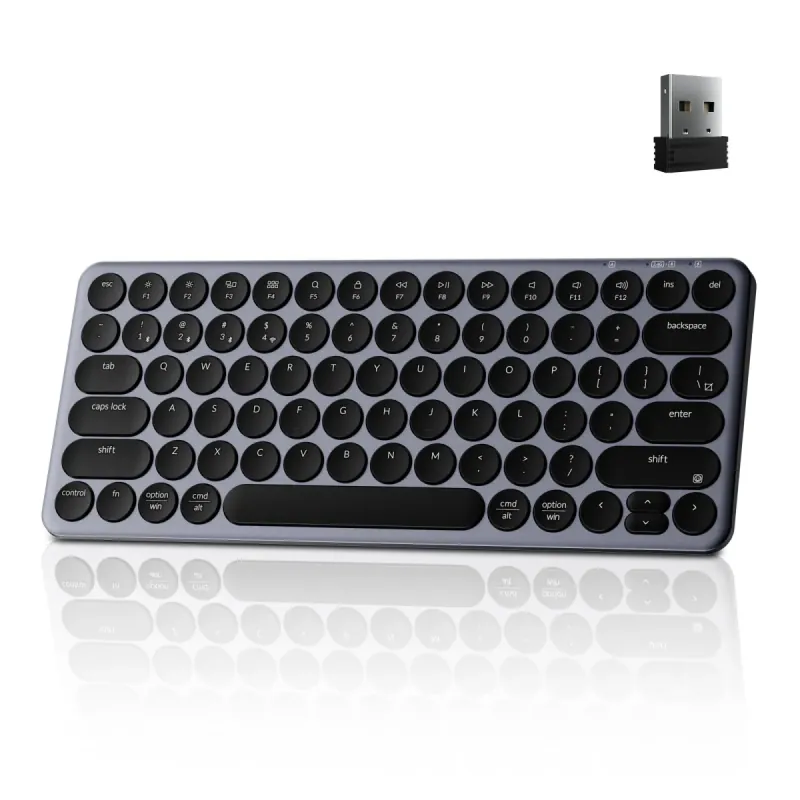
Keychron B3 Pro 75% Ultra-Slim White Keyboard

Keychron

4.7

Keychron B3 Pro 75% Ultra-Slim White Keyboard

Personal Match Score 78%

Price Range

$ $ $
Check Current Price →
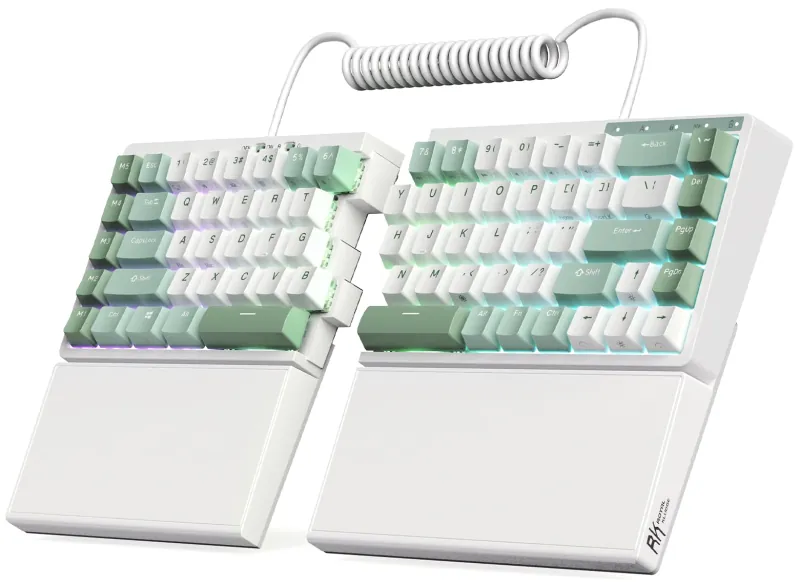
YMDK Split Corne V4.1

YMDK

4.1

YMDK Split Corne V4.1

Personal Match Score 77%

Price Range

$ $ $
Check Current Price →
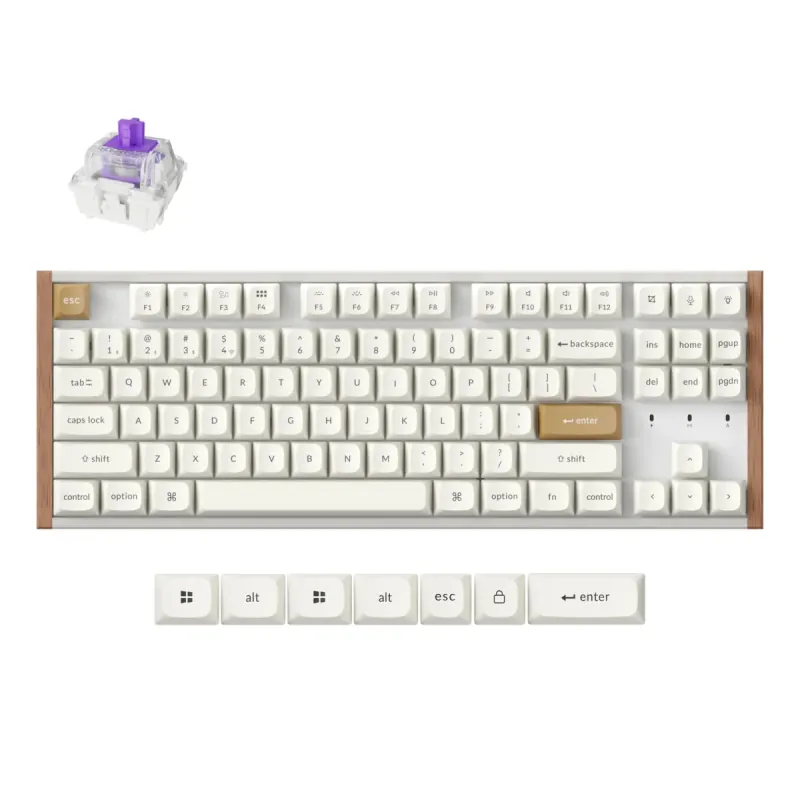
Keychron K8 HE TKL White

Keychron

4.5

Keychron K8 HE TKL White

Personal Match Score 77%

Price Range

$ $ $
Check Current Price →

If you are buying a Productivity & Ergonomic Keyboard for programming, you're not just looking for a tool to type on; you're seeking a command center for your entire workflow. Spending eight or more hours a day navigating code, debugging, and writing documentation means every keystroke counts. The right keyboard can significantly boost your efficiency and prevent long-term strain. For this reason, we prioritize three key areas for programmers: Layout Customization, Typing Feel & Acoustics, and Ergonomic Adjustability. The ability to remap keys, create complex macros for build commands, and place special characters exactly where you need them is a game-changer. This is where firmware like QMK/VIA, found in models like the Keychron Q11, truly shines, allowing you to tailor the keyboard to your specific language and toolchain.

Beyond pure function, the physical experience is critical. A satisfying Typing Feel from quality mechanical switches not only makes long coding sessions more pleasant but can also improve your accuracy and speed. Finally, Ergonomic Adjustability, such as the split design of the Q11 or the contoured wells of the Kinesis Advantage360, allows you to position your hands, wrists, and shoulders naturally. This reduces the risk of repetitive strain injuries, ensuring your career is long and comfortable. These features combined create a keyboard that adapts to you, not the other way around.

How We Rank

Our AI rankings for Productivity & Ergonomic Keyboards are generated by analyzing real-world user satisfaction from high-volume Amazon reviews and our own structured feature scoring. We place the heaviest weight on Ergonomic Adjustability, as this is the core purpose of the category, followed closely by Typing Feel & Acoustics. This data-driven approach ensures our recommendations reflect both genuine user experience and critical, hands-on evaluation.

Frequently Asked Questions

QMK/VIA firmware is crucial because it gives you total control over your keyboard's layout. For programmers, this means you can remap keys to better suit your workflow, like moving Escape to the Caps Lock key or creating a dedicated layer for special characters like `{}[]()`. You can also program complex macros to execute multi-step commands, such as compiling code or running tests, with a single keystroke. This level of customization directly translates to faster coding and less hand movement.
Yes, for long-term health and comfort, it's a worthwhile investment. There is a definite learning curve, and your typing speed will likely decrease for the first few weeks. However, the primary benefit is ergonomic. A split keyboard allows you to position your hands shoulder-width apart, reducing wrist, shoulder, and neck strain during long coding sessions. This trade-off of initial speed for sustained comfort and injury prevention is a key reason many developers make the switch.
For most developers, a numpad is not necessary and can even be a detriment to good ergonomics. Programming is primarily text and symbol-based, not heavy on numerical data entry. A smaller, tenkeyless (TKL) or 75% layout allows you to keep your mouse closer to your body's centerline, reducing shoulder strain from reaching. If you do need to input numbers frequently, a dedicated layer accessible via a function key is a more efficient and ergonomic solution than a permanent numpad.
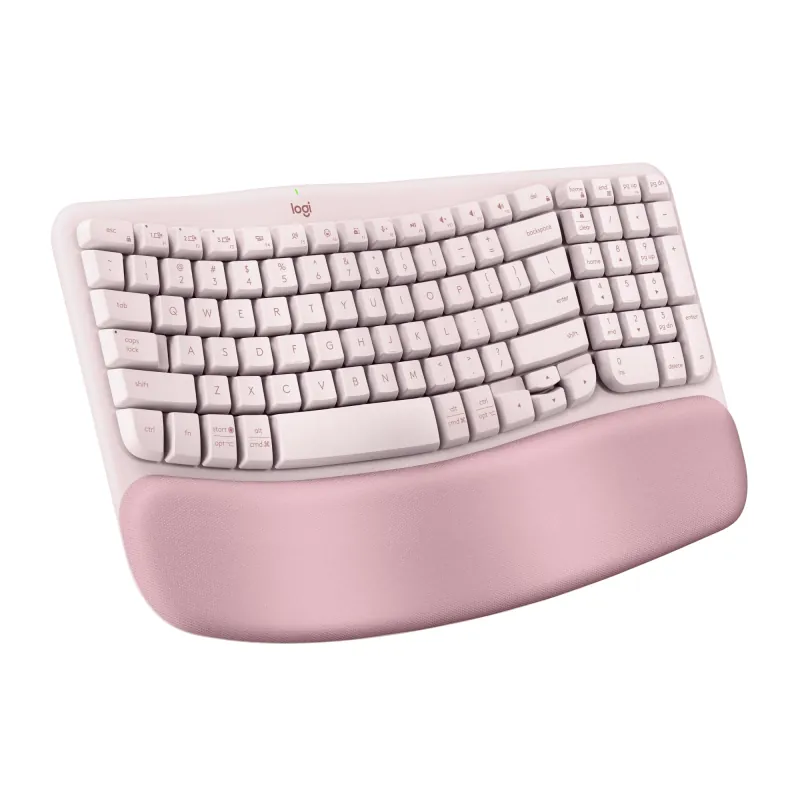
Start with a 'fixed-split' or 'wave' keyboard like the Logitech K350. These models introduce a more natural hand and wrist angle without the steep learning curve of a fully separated keyboard. While they lack the deep adjustability of premium options, they provide a tangible comfort improvement over standard flat keyboards and are an excellent, low-risk entry point into ergonomics.
Yes, if you have persistent wrist or shoulder pain. Premium keyboards justify their cost with true Ergonomic Adjustability, such as independent split halves, variable tenting angles, and negative tilt. You also get superior mechanical switches for a better Typing Feel and robust software for deep Layout Customization. Budget models often just offer a fixed curve and a mushy membrane typing experience.
Not directly for ergonomics, but for typing endurance, yes. The ergonomic benefit comes from the keyboard's physical shape (split, tenting), not the switch type. However, mechanical switches can reduce finger fatigue because they require less force to actuate and provide clearer feedback, which is a significant comfort booster over long typing sessions compared to mushy membrane keys.
For 99% of productivity tasks, no. Modern 2.4 GHz and Bluetooth connections are more than fast enough for typing, coding, and general office work. Unlike competitive gaming where every millisecond counts, you will not perceive any delay from a quality wireless ergonomic keyboard. Prioritize reliable Connectivity and multi-device switching over chasing the lowest possible latency figures.
Look for a tenkeyless (TKL) or 65% split keyboard. These designs eliminate the number pad, drastically reducing the keyboard's Physical Footprint and freeing up significant desk space for your mouse. A split design further helps, as you can position the two halves around other desk items. This smaller footprint allows you to keep your mouse closer, which is a key ergonomic benefit for your shoulder.