✦ Adjust rankings to your needs
Podcast & Studio Mics

Best Podcast & Studio Mics for Vocalist

Explore Podcast & Studio Mics for singers. Our rankings emphasize sound warmth and vocal clarity to capture every nuance of your musical performance.
Max price: $1,099
⭐ Best Match
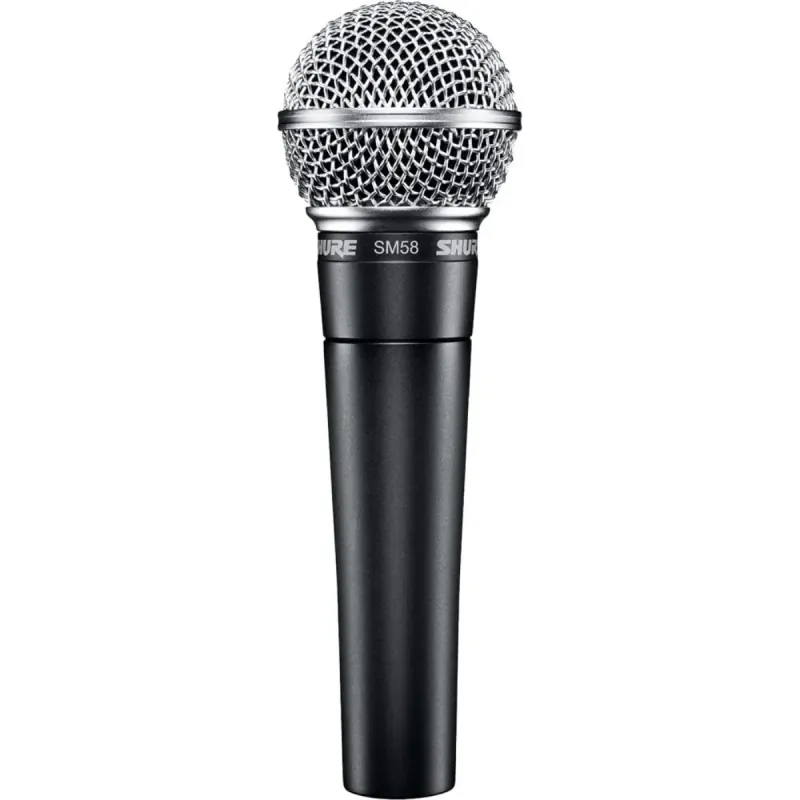
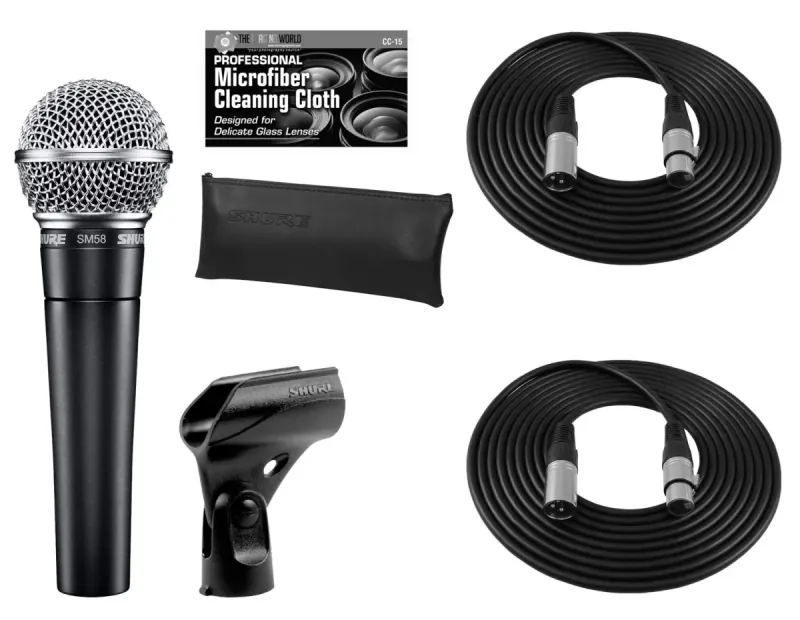
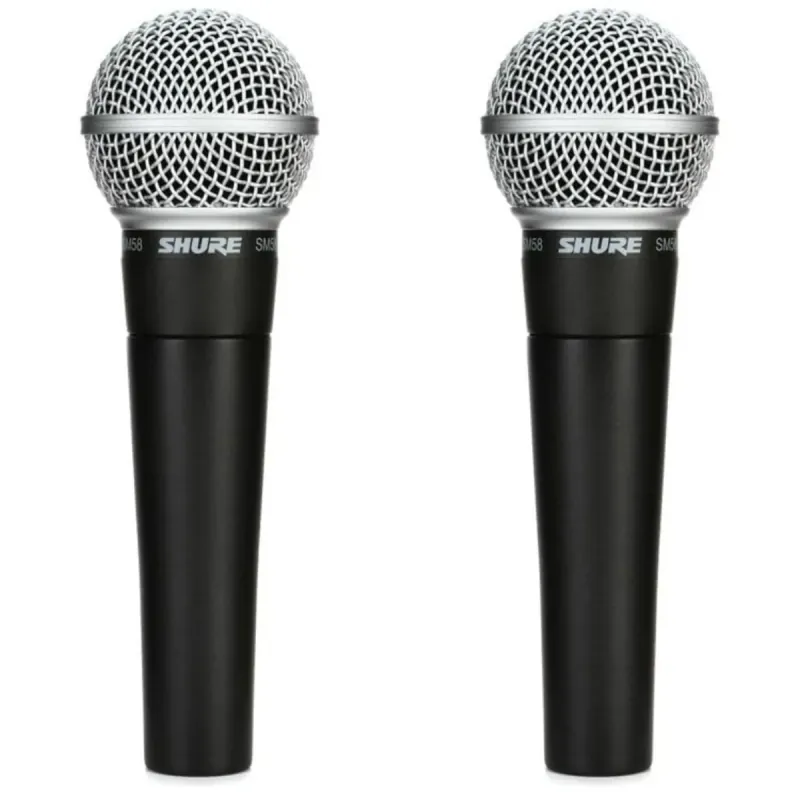
Shure SM58 (2-Pack)

Shure

★ 4.8

Shure SM58 (2-Pack)

Personal Match Score 85%

Price Range

$ $ $
Check Current Price →
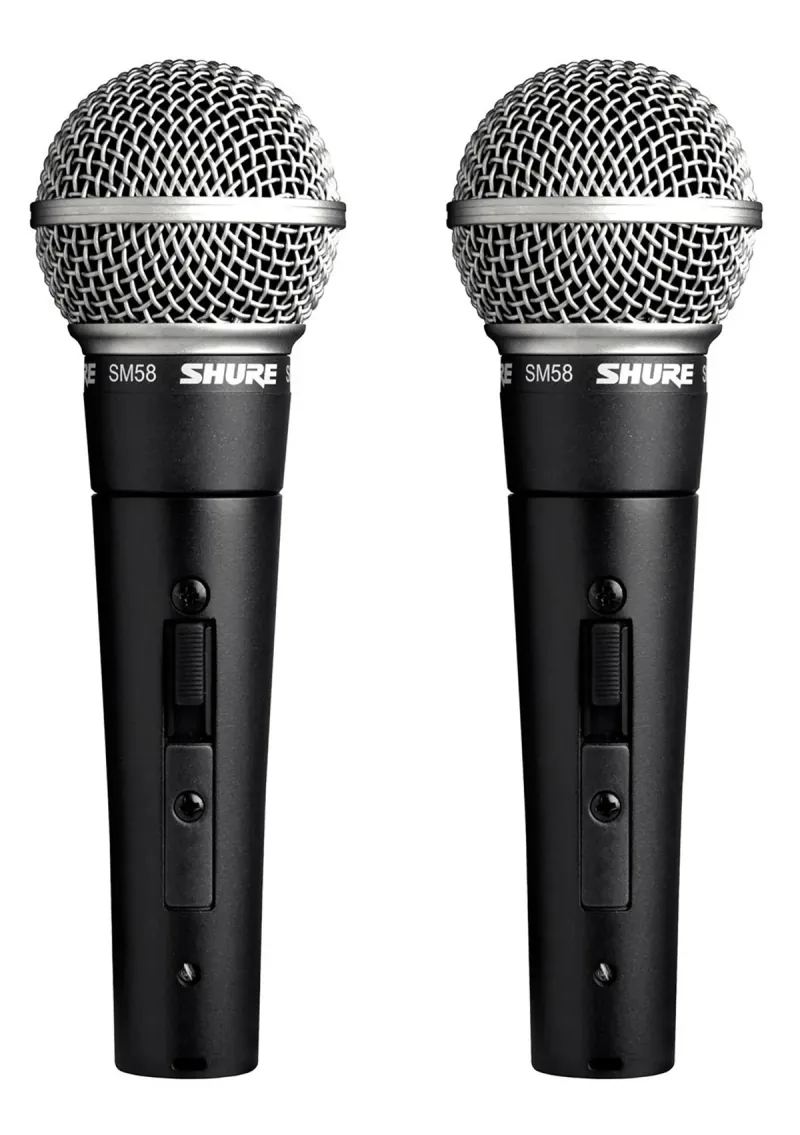
Shure SM58S

Shure

★ 4.8

Shure SM58S

Personal Match Score 85%

Price Range

$ $ $
Check Current Price →
Shure SM58

Shure

★ 4.7

Shure SM58

Personal Match Score 85%

Price Range

$ $ $
Check Current Price →
Shure SM58-LC

Shure

★ 4.7

Shure SM58-LC

Personal Match Score 85%

Price Range

$ $ $
Check Current Price →
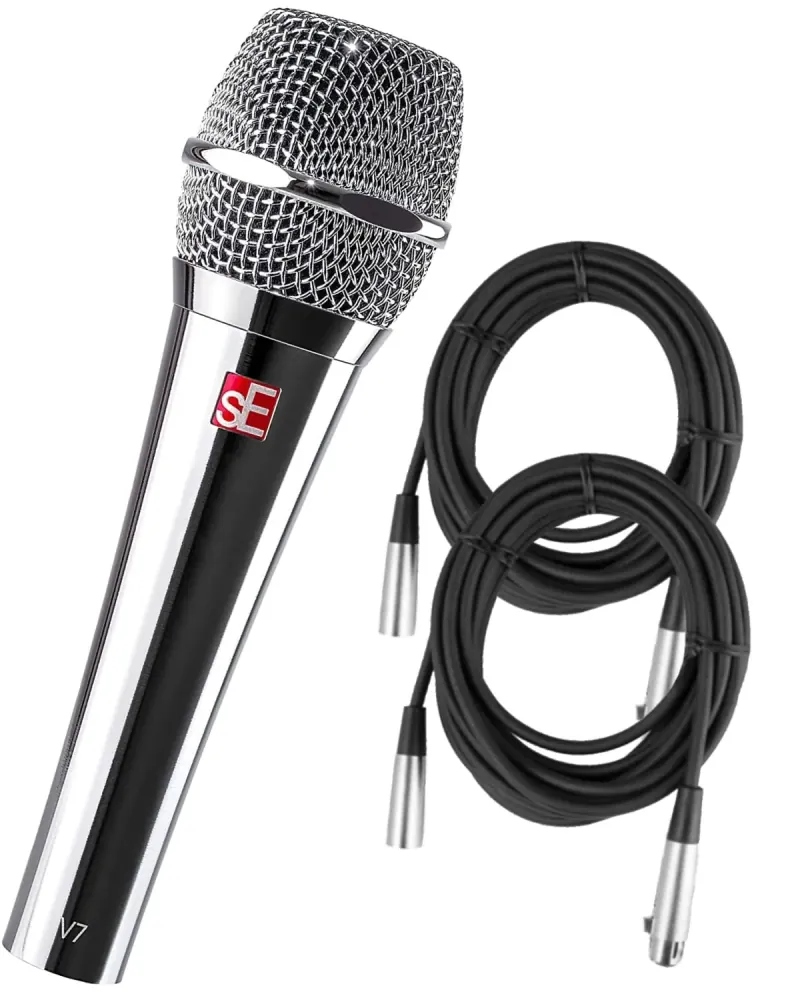
sE Electronics V7 Chrome

sE Electronics

★ 4.9

sE Electronics V7 Chrome

Personal Match Score 83%

Price Range

$ $ $
Check Current Price →
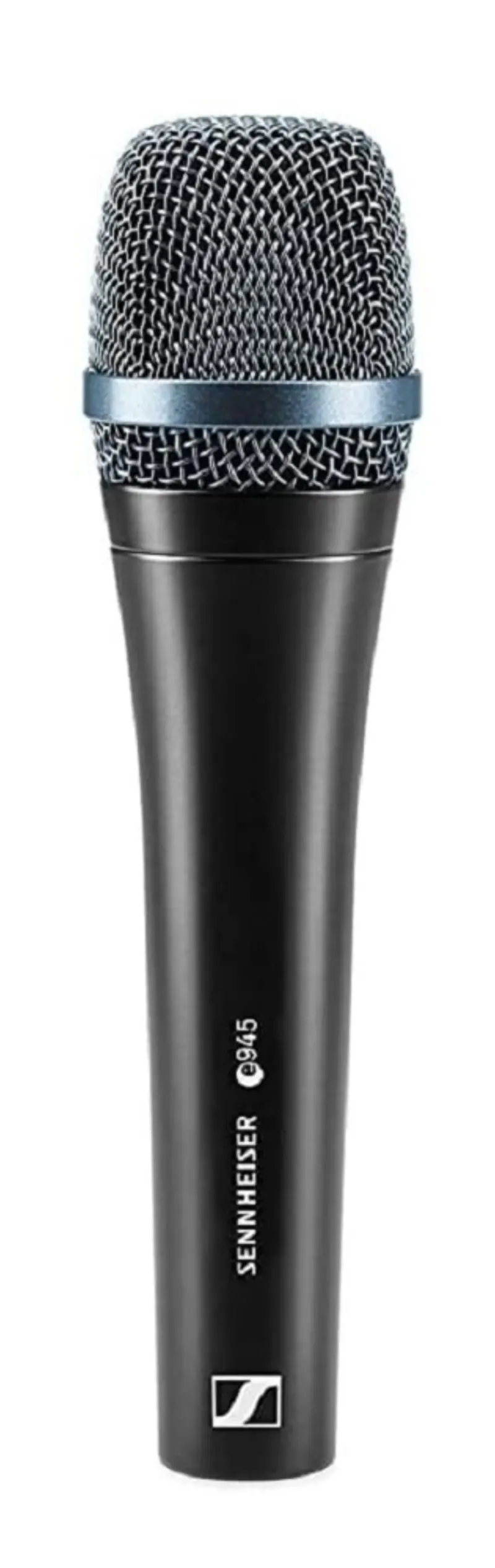
Sennheiser E 945 black

Sennheiser

★ 4.6

Sennheiser E 945 black

Personal Match Score 82%

Price Range

$ $ $
Check Current Price →

If you are buying a microphone for recording vocals, whether for singing or professional voice-over, your needs are fundamentally different from a casual streamer's. You require a tool that captures the full emotional range and technical nuance of your performance. For this reason, our testing for vocalists prioritizes three critical features: Sound Warmth, Vocal Clarity, and Build Quality. Sound Warmth provides that rich, full-bodied character that helps a voice sit perfectly in a mix without sounding thin. Vocal Clarity ensures every subtle detail is captured cleanly, allowing your performance to cut through a dense arrangement with precision.

Finally, Build Quality is non-negotiable. A vocalist's mic is a long-term investment that must withstand the rigors of daily studio use. Models like the Shure SM7dB are top performers in this category because they deliver that legendary broadcast warmth with exceptional clarity, and their robust, all-metal construction is designed to last for decades. Our rankings reflect how well these microphones capture a dynamic vocal performance right at the source, minimizing your need for heavy post-production and EQ to get a professional sound.

How We Rank

Our rankings for Podcast & Studio Mics are generated by an AI that analyzes a massive volume of real-world user reviews. The algorithm prioritizes the factors that matter most for clean vocal recording, with Vocal Clarity and Background Noise Rejection carrying the most weight in the final score. This data-driven approach helps you find the best-performing microphone based on structured, unbiased analysis.

Frequently Asked Questions

Frequency response shows a mic's sensitivity to different audio frequencies. For vocalists, a 'flat' response isn't always ideal. A great vocal mic often has a tailored response: a gentle presence boost in the upper-midrange (2-6 kHz) to enhance clarity and articulation, and a controlled low-end to add warmth without sounding muddy. This shaping is why certain mics are legendary for vocals; they are engineered to flatter the human voice right out of the box, reducing the need for corrective EQ in your mix.
This is the most common trade-off for home recording. Condenser mics are highly sensitive and capture incredible detail, but they also pick up every unwanted sound in an untreated room. Dynamic mics, like the Shure SM7dB or SM7B, are less sensitive and excel at rejecting background noise. For most home studios, a high-quality dynamic mic provides a more focused, professional vocal track by isolating your voice from room reflections and ambient noise, even if you sacrifice a tiny bit of top-end 'air'.
Yes, you absolutely still need an external pop filter. While many premium vocal mics have internal filtering, it's only a first line of defense. An external pop filter is crucial for stopping the powerful bursts of air from plosives ('p' and 'b' sounds) that can cause clipping and ruin an otherwise perfect take. It also serves the vital function of protecting the sensitive microphone capsule from moisture, which can degrade performance and damage the mic over time. It's a small, essential investment.
For most beginners, a USB condenser microphone is the best starting point. The Logitech Blue Yeti is a classic for a reason: it's incredibly easy to set up—just plug it into your computer—and offers good vocal quality out of the box. Its multiple recording patterns also give you flexibility as you learn.
Yes, if audio quality is your top priority. Budget mics like the Fifine K669B provide functional clarity, but spending more gets you significantly better Sound Warmth, lower internal noise, and superior Build Quality. A premium mic captures a richer, more professional sound that requires less editing later.
Absolutely, especially for a sensitive condenser mic. A pop filter stops the harsh 'p' and 'b' sounds (plosives) from distorting your audio, while a shock mount isolates the mic from vibrations from your desk or floor. Kits like the Fifine T669 are a great value because they often include these essential accessories.
A USB mic plugs directly into your computer and is ready to record, making it ideal for simplicity. An XLR mic is the professional standard that requires a separate piece of hardware called an audio interface to connect to your computer. For podcasting and streaming, a quality USB mic offers more than enough performance without the extra cost and complexity of an XLR setup.
In a noisy or echoey room, a dynamic microphone is almost always better than a condenser. Condenser mics like the Blue Yeti are very sensitive and will pick up everything, including fan hum and reverb. Dynamic mics are less sensitive and better at rejecting sound from the sides, focusing only on your voice.