Drag the sliders to tell us what matters most to you
Drag the sliders to set your priorities. Products are re-ranked instantly based on what matters most to you.
Price
Amazon Rating
Background Noise Rejection
Build Quality & Durability
Handling Noise Suppression
Plosive & Sibilance Control
Plug-and-Play Simplicity
Recording Versatility
Richness & Warmth
Vocal Clarity
Choose a preset to instantly adjust all sliders to a recommended configuration.
🤖
Describe what you need! I'll automatically adjust the weights to find your perfect product.
Podcast & Studio Mics
Choosing the right microphone comes down to a trade-off between ultimate sound quality and setup simplicity. Here’s how to use our sliders to find your perfect match:
For Beginners: If you're just starting and want great sound without headaches, prioritize a high score in Plug-and-Play Simplicity. A mic that also scores well in Background Noise Rejection will be very forgiving in a normal, untreated room like a bedroom or office.
For Aspiring Professionals: If you're serious about audio quality and have a quiet recording space, focus on Vocal Clarity and Richness & Warmth. Mics that excel here deliver that classic, broadcast-quality sound, but may require extra gear like an audio interface.
For Live Streamers & Gamers: Your key features are Background Noise Rejection (to block out keyboard clicks) and Handling Noise Suppression. You need a mic that isolates your voice from the chaos around you.
Don't overlook Build Quality & Durability. A well-built mic is a long-term investment that can withstand the rigors of daily use.
Marketers use confusing specs to sell mics. Here are three common traps to avoid:
The "Pro-Level XLR" Myth: Don't let anyone tell you that you must have an XLR microphone to sound professional. A high-quality USB mic will sound infinitely better than a cheap XLR mic connected to a cheap audio interface. Prioritize your budget on a great microphone first.
Obsessing Over Frequency Response Charts: Manufacturers love showing charts with a wide, flat line, claiming it's a sign of accuracy. In reality, these charts don't tell you how a mic will actually sound on your voice. The most legendary vocal mics have their own unique character and are far from 'flat'. Trust reviews and sound samples, not lab charts.
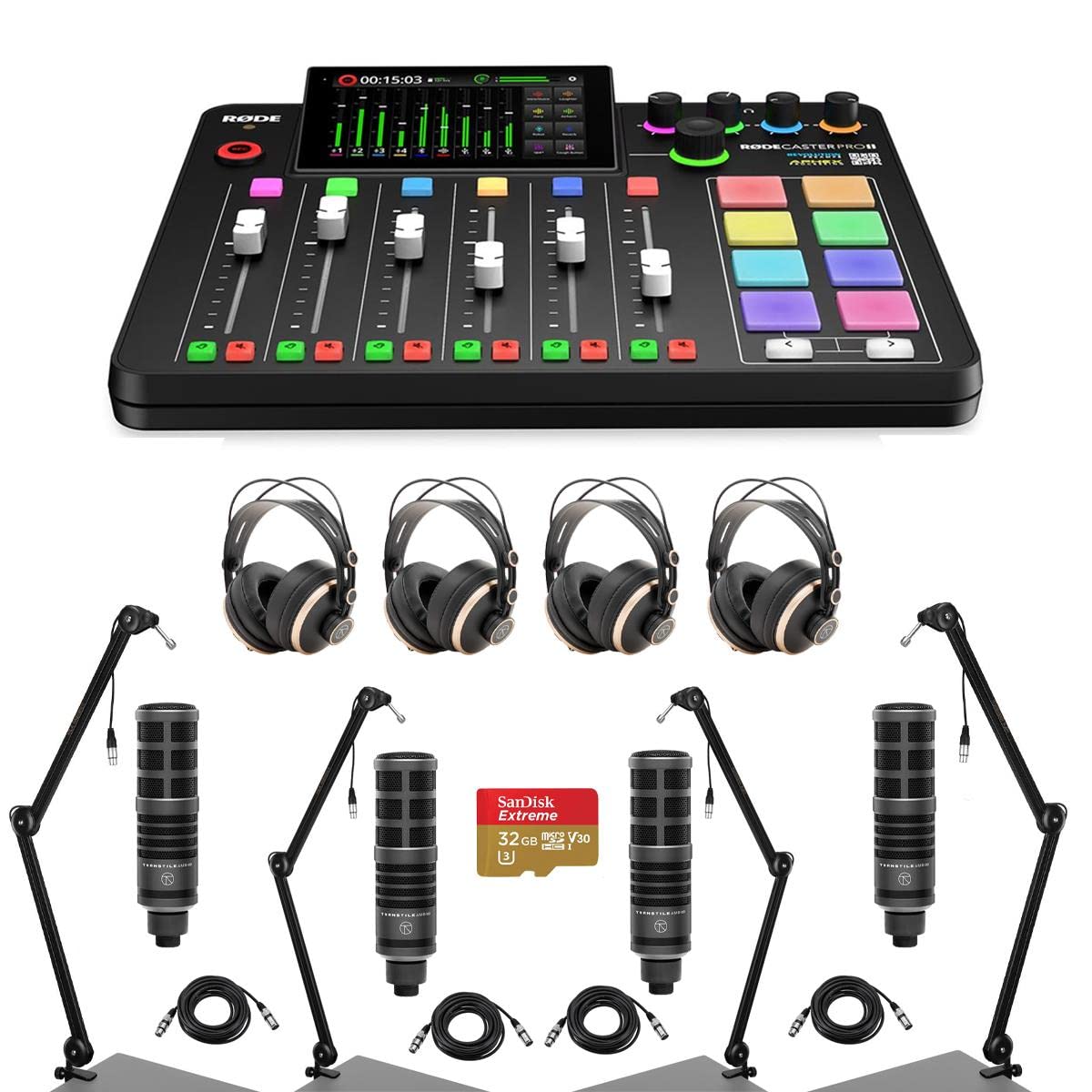
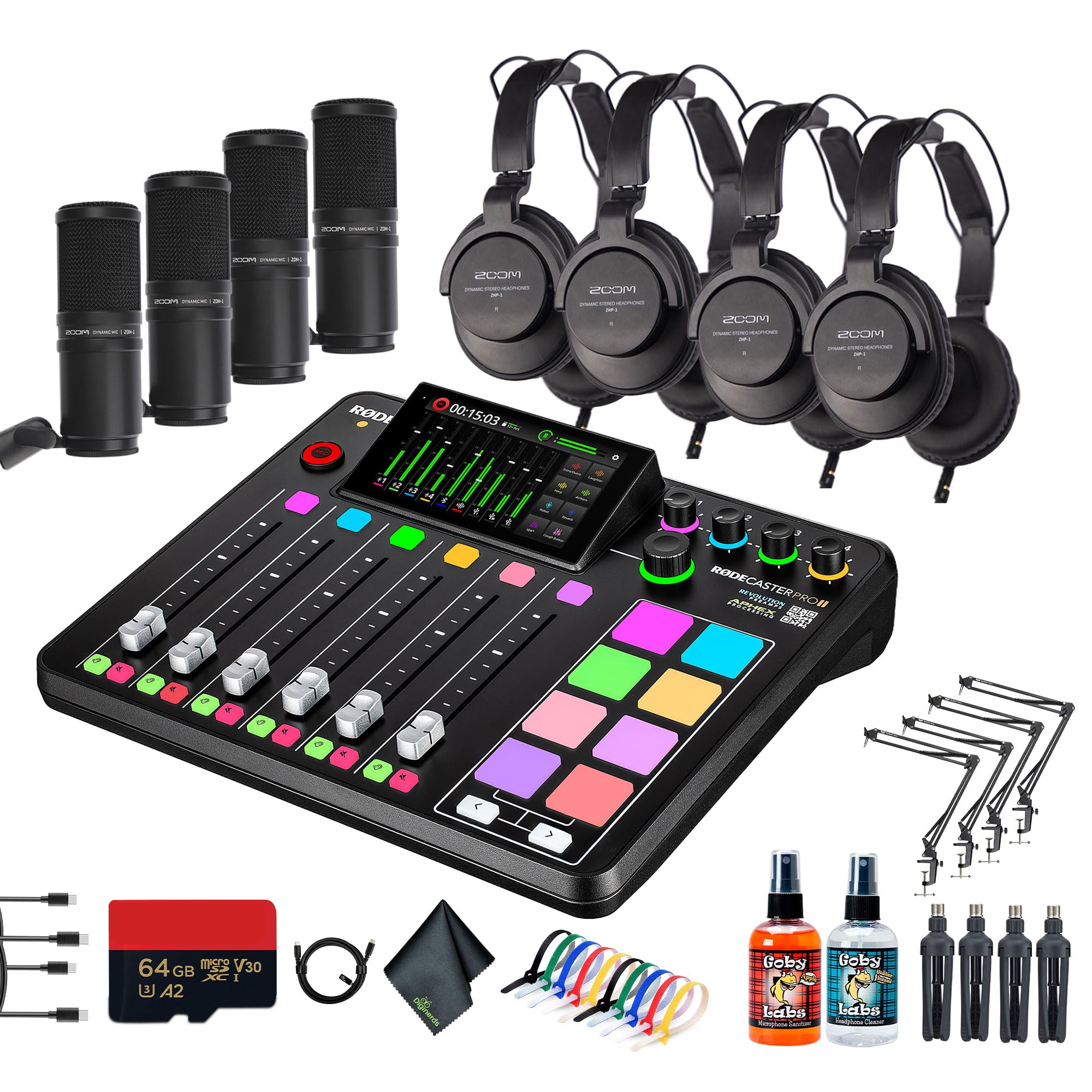
The "All-in-One Studio Bundle" Trap: Be wary of packages that bundle a microphone with a desk stand, pop filter, and shock mount for a low price. These accessories are often extremely low quality and will need to be replaced. You're better off buying a quality microphone by itself and investing in sturdy accessories separately.
Understanding a few key terms will demystify your search:
XLR vs. USB: This is the most fundamental choice. USB mics are all-in-one solutions that plug directly into your computer. They are the definition of 'plug-and-play'. XLR mics are the traditional studio standard, using a 3-pin connector that must be plugged into a separate device called an 'audio interface'. XLR offers more flexibility and higher potential quality, but at a greater cost and complexity.
Polar Pattern: This simply describes the direction(s) from which the microphone picks up sound. The most common for podcasting is Cardioid, which captures sound directly in front of the mic while rejecting noise from the sides and rear. It's ideal for a single person speaking at a desk.
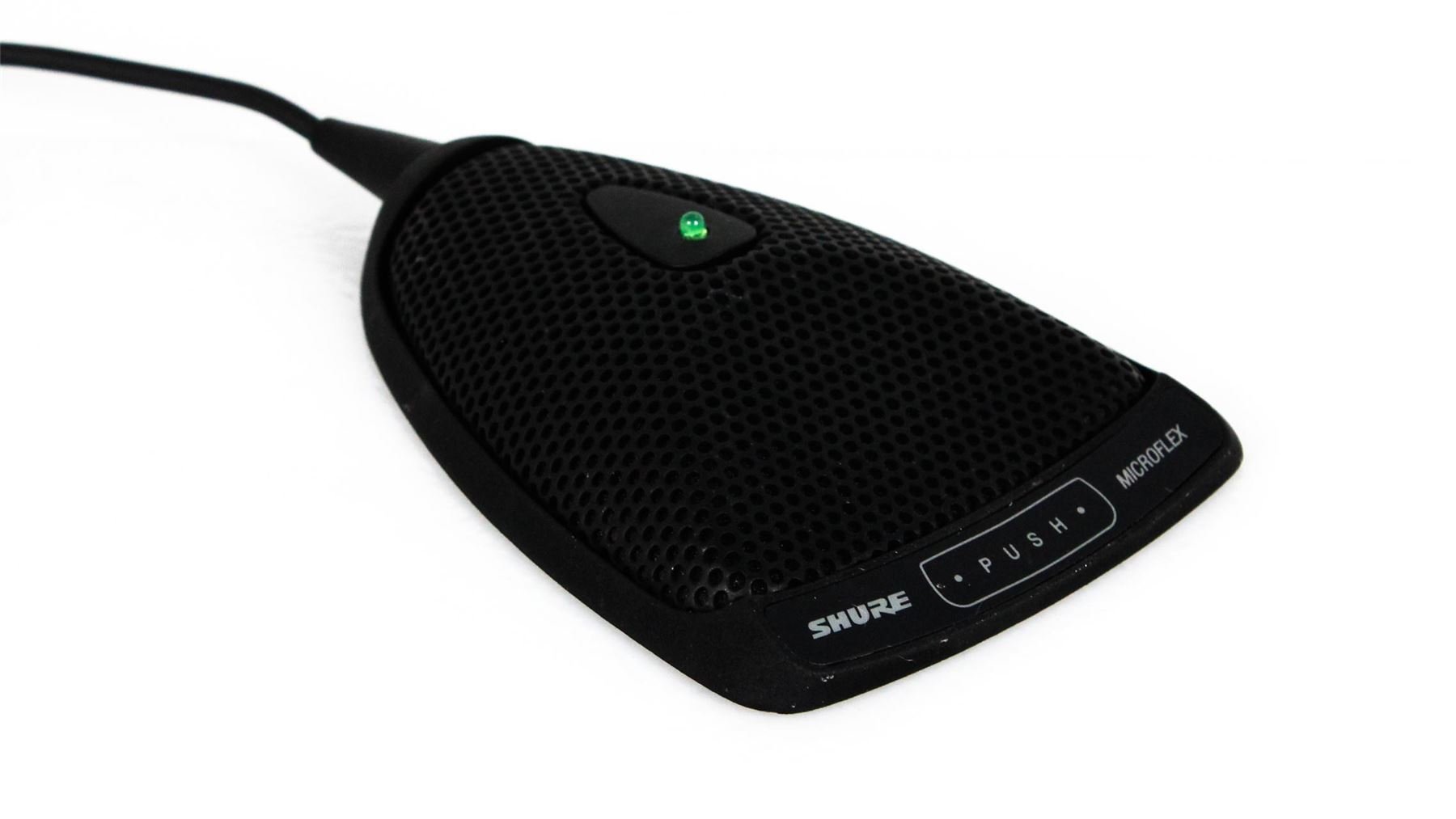
The Shure MX392/C is a robust, professional boundary microphone delivering pristine speech clarity for conference rooms and installations. However, its specialized design and XLR connectivity severely limit its versatility and ease of use for general consumers.
64%
Personalized
Match
Based on your
precise slider configurations, this product has been
objectively rated at 63.8%
compatibility for your exact needs.
Technical Specifications
Background Noise Rejection80
The cardioid pattern and boundary design effectively minimize off-axis and ambient noise in its intended environments.
Build Quality & Durability95
Shure's professional standard ensures exceptional build quality and durability, designed for rigorous daily use.
Handling Noise Suppression20
As a stationary boundary microphone, handling noise suppression is not a relevant design consideration.
Plosive & Sibilance Control75
Its typical placement and Shure's design contribute to good control over plosives and sibilance for speech.
Plug-and-Play Simplicity40
Requires phantom power and an XLR interface, making it less 'plug-and-play' than consumer USB microphones.
Recording Versatility35
Highly specialized for boundary applications, limiting its versatility for general-purpose recording tasks.
Richness & Warmth65
Provides accurate speech reproduction but isn't designed for the rich, warm tonality sought in musical vocals.
Vocal Clarity90
Delivers exceptional clarity and intelligibility for spoken word, its primary design function.