✦ Adjust rankings to your needs
Lavalier & Wireless Systems

Best Lavalier & Wireless Systems for Presenter

Compare Lavalier & Wireless Systems with top-tier vocal clarity and connection stability. Get the best mics for stage presentations and live events.
Max price: $1,194
⭐ Best Match
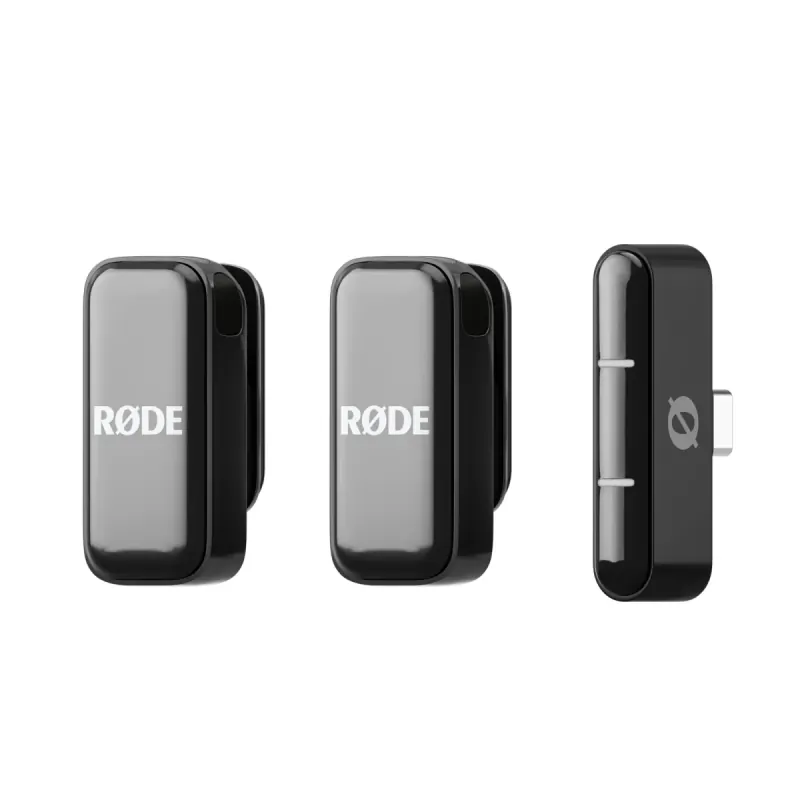
Rode Wireless Micro

Rode

4.7

Rode Wireless Micro

Personal Match Score 89%

Price Range

$ $ $
Check Current Price →
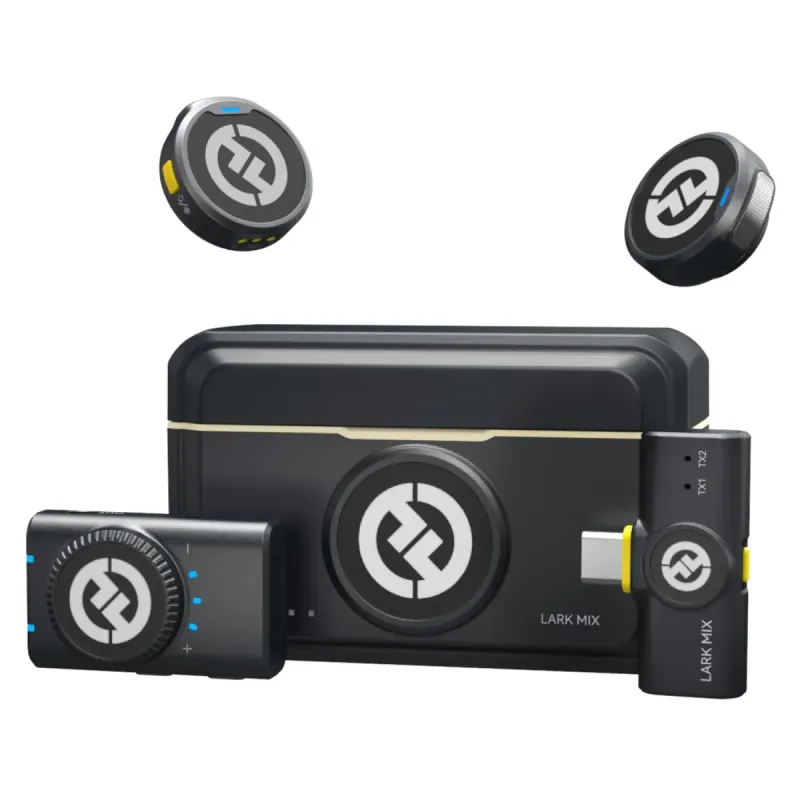
Hollyland Lark M2

Hollyland

4.7

Hollyland Lark M2

Personal Match Score 87%

Price Range

$ $ $
Check Current Price →
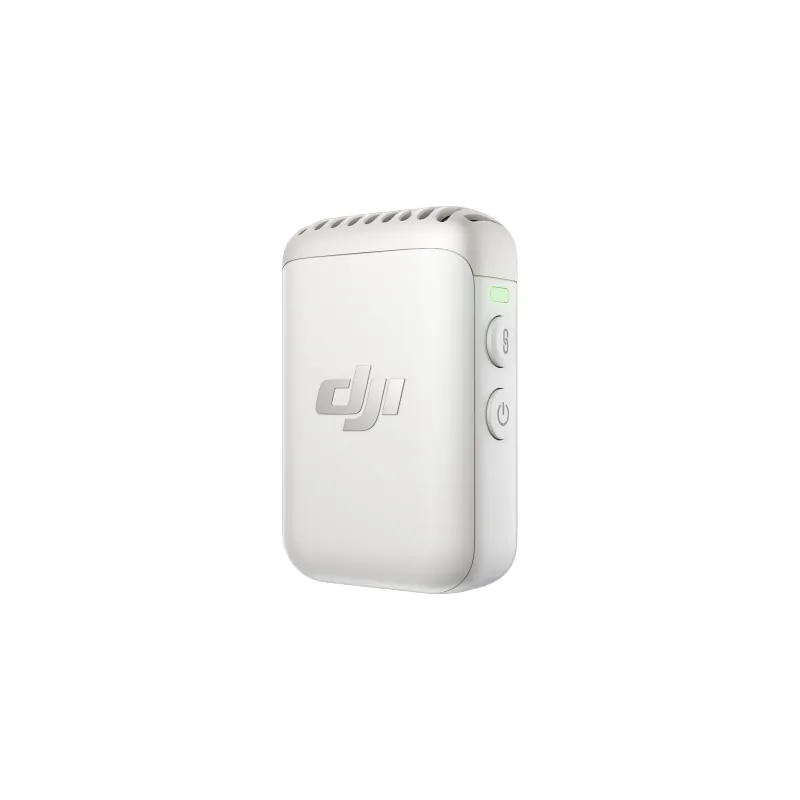
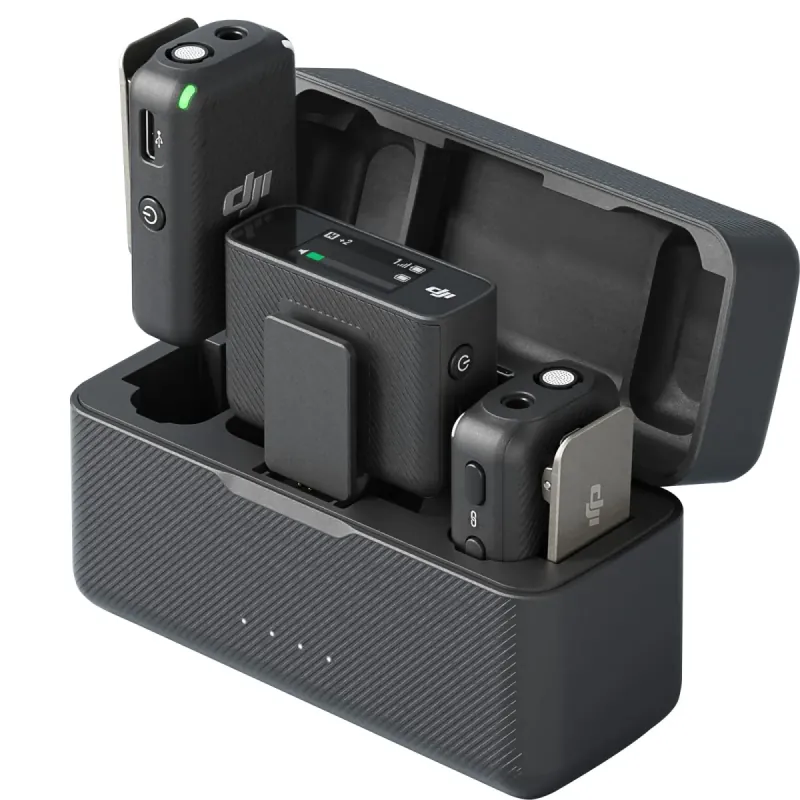
DJI Mic 2 Transmitter

DJI

4.6

DJI Mic 2 Transmitter

Personal Match Score 87%

Price Range

$ $ $
Check Current Price →
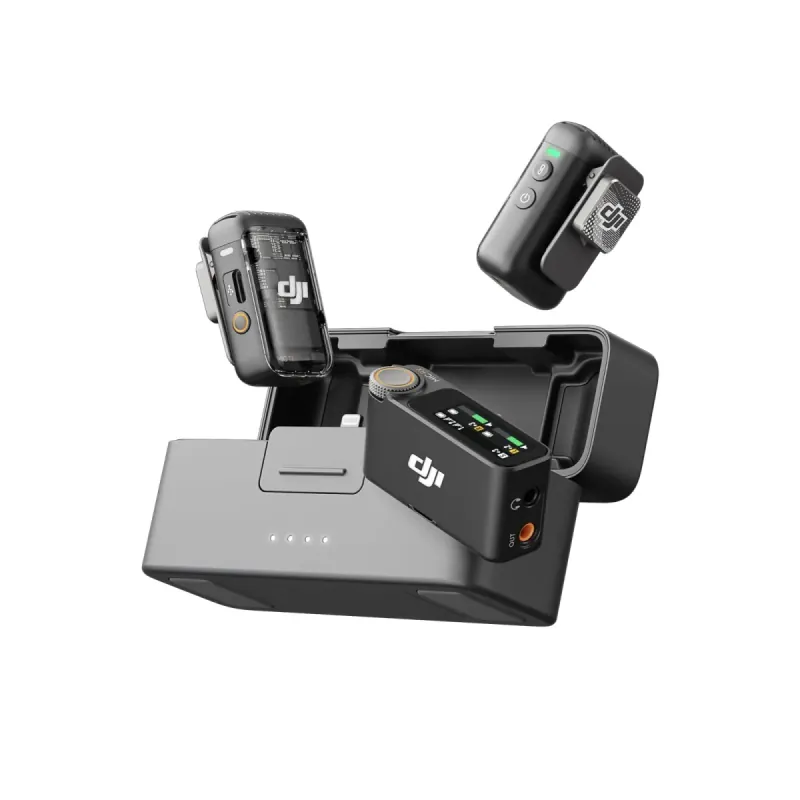
DJI Mic 2

DJI

4.6

DJI Mic 2

Personal Match Score 86%

Price Range

$ $ $
Check Current Price →
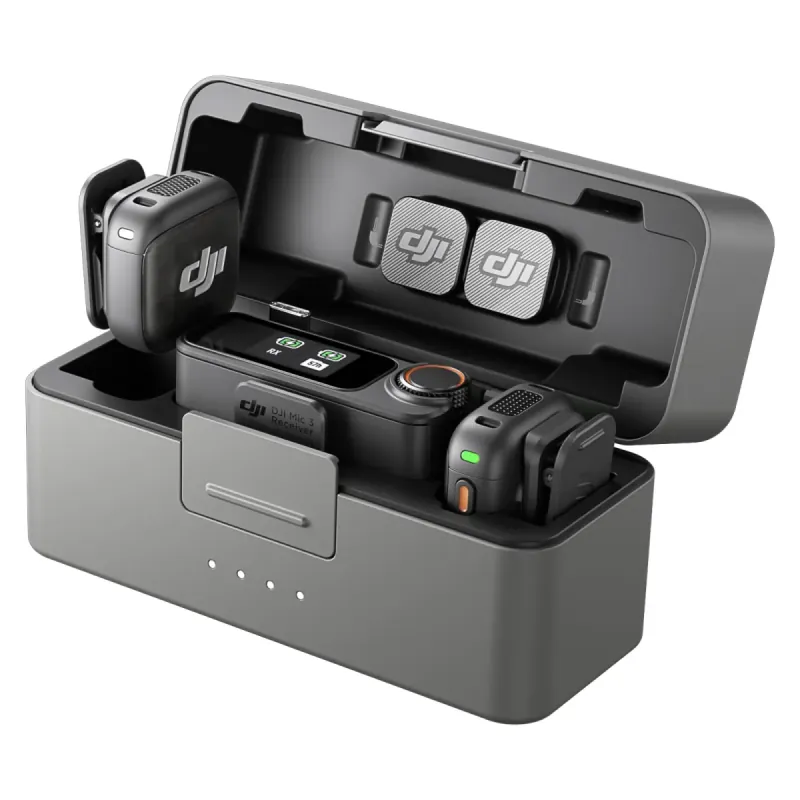
DJI Mic 3

DJI

4.6

DJI Mic 3

Personal Match Score 85%

Price Range

$ $ $
Check Current Price →
Rode Wireless GO III (Black)

Rode

4.7

Rode Wireless GO III (Black)

Personal Match Score 85%

Price Range

$ $ $
Check Current Price →

If you are buying a Lavalier & Wireless System for presenting, your needs are focused and non-negotiable. Whether you're on a keynote stage, leading a corporate training, or recording a webinar, you cannot afford technical glitches. Your message is the priority, and your microphone system must be an invisible, reliable partner. For this reason, our 'Presenter' preset heavily weights three critical performance areas: **Clarity & Warmth**, **Connection Stability**, and **Battery Endurance**. Your voice must cut through with professional polish, free from the thin, tinny sound of lesser mics. The wireless link needs to be unbreakable, preventing embarrassing dropouts as you move around the stage or navigate environments crowded with Wi-Fi signals. Finally, the system must have the stamina to last through long sessions and quick turnarounds without causing battery anxiety.

This is why systems like the DJI Mic 2 consistently top our rankings for this use-case. They are designed for dependability, often including a charging case that keeps components topped up and ready for back-to-back events. They deliver excellent vocal quality straight out of the box and a stable connection that lets you forget about the technology and concentrate on your audience. This preset is for speakers who demand a set-it-and-forget-it solution that simply works, every time.

How We Rank

Our rankings for Lavalier & Wireless Systems are generated by an AI that analyzes a massive volume of real-world user reviews. The algorithm focuses on what truly matters for capturing great audio, prioritizing key features like Connection Stability and Clarity & Warmth. This data-driven approach, combined with our expert scoring, ensures you get a recommendation based on proven performance, not just marketing hype.

Frequently Asked Questions

For presenters, connection stability is the most critical feature. While audio quality is important, a perfectly clear voice that cuts out is useless. Look for systems with a strong 2.4GHz digital transmission and a generous line-of-sight range. This ensures your signal remains robust even if you walk around a stage or if there's interference from audience smartphones. A stable connection provides the peace of mind needed to focus on your delivery, not your equipment.
Using the transmitter's built-in mic is fast and convenient, but you trade off visual discretion and optimal placement. Clipping a larger transmitter to a shirt or lapel can look unprofessional. A separate lavalier microphone, while requiring one extra wire, is much smaller, can be hidden easily, and can be placed closer to your mouth for a warmer, more consistent vocal tone. For polished, on-stage presentations, the separate lavalier is almost always the better choice.
No, a solo presenter rarely needs a complex, multi-channel system. Those are designed for film sets or interviews with multiple subjects. For presentations, simplicity and reliability are more valuable than a vast feature set you won't use. A straightforward single- or dual-transmitter system like the DJI Mic 2 provides excellent audio quality, long battery life, and ease of use, which are far more critical for a speaker than the advanced controls required by a professional sound mixer.
For absolute beginners recording with a smartphone, the Rode SmartLav+ is a fantastic starting point. It's a wired lavalier, making it incredibly simple and reliable. If you need a true wireless system, a budget-friendly option like the Boya BY-V30 offers a complete package with decent performance for the price, making it a great first step into wireless audio without a huge investment.
The price difference primarily comes down to reliability and audio quality under pressure. Premium systems offer vastly superior Connection Stability, meaning fewer dropouts and interference, especially at a distance or in crowded wireless environments. They also feature better microphone capsules for richer Clarity & Warmth and more effective Noise Isolation, which is critical when you can't control your recording location.
Be wary of 'noise cancellation' as a primary feature on budget mics, as it's often a digital process that can degrade audio quality. True professional Noise Isolation comes from the microphone's physical design and proper placement. A quality omnidirectional mic like the Rode Lavalier GO, placed correctly and paired with a windscreen, will almost always sound better than a cheap mic relying on aggressive digital processing.
For most creators, maximum range is less important than signal stability within a practical distance. A system claiming a 600ft range is useless if the signal drops when the talent simply turns their back to the receiver 50ft away. Focus on systems known for robust Connection Stability within the 50-100ft range where you'll actually be filming, rather than chasing a huge number you'll likely never use.
It's generally not recommended. Lavalier microphones are specifically designed and equalized to capture the human voice clearly in the speech frequency range. Using them on an instrument like an acoustic guitar or for powerful singing will often result in a thin, distorted, or unnatural sound. For music, you should use dedicated instrument or vocal microphones designed for that purpose.