✦ Adjust rankings to your needs
Lavalier & Wireless Systems

Best Lavalier & Wireless Systems for Filmmaker

Pro-grade Lavalier & Wireless Systems ranked for pristine audio clarity and signal strength. The top choices for independent film and broadcast video.
Max price: $1,194
⭐ Best Match
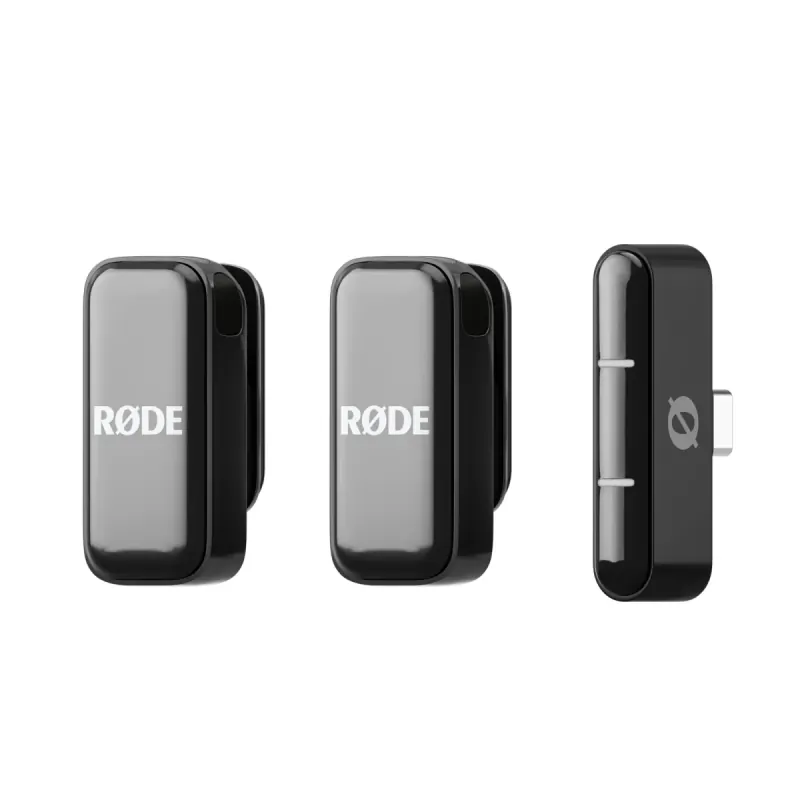
Rode Wireless Micro

Rode

4.7

Rode Wireless Micro

Personal Match Score 89%

Price Range

$ $ $
Check Current Price →
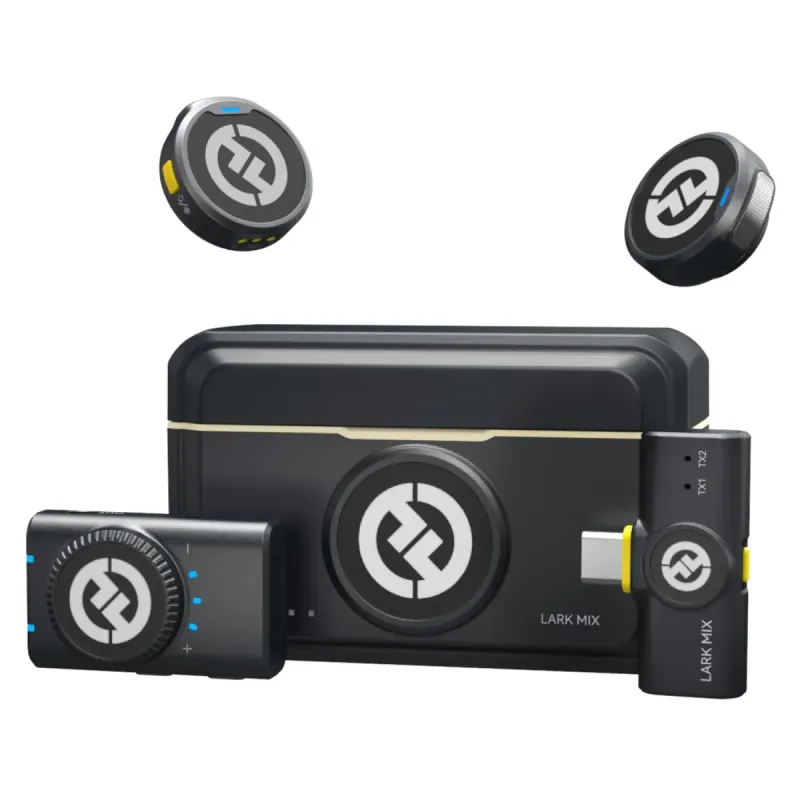
Hollyland Lark M2

Hollyland

4.7

Hollyland Lark M2

Personal Match Score 87%

Price Range

$ $ $
Check Current Price →
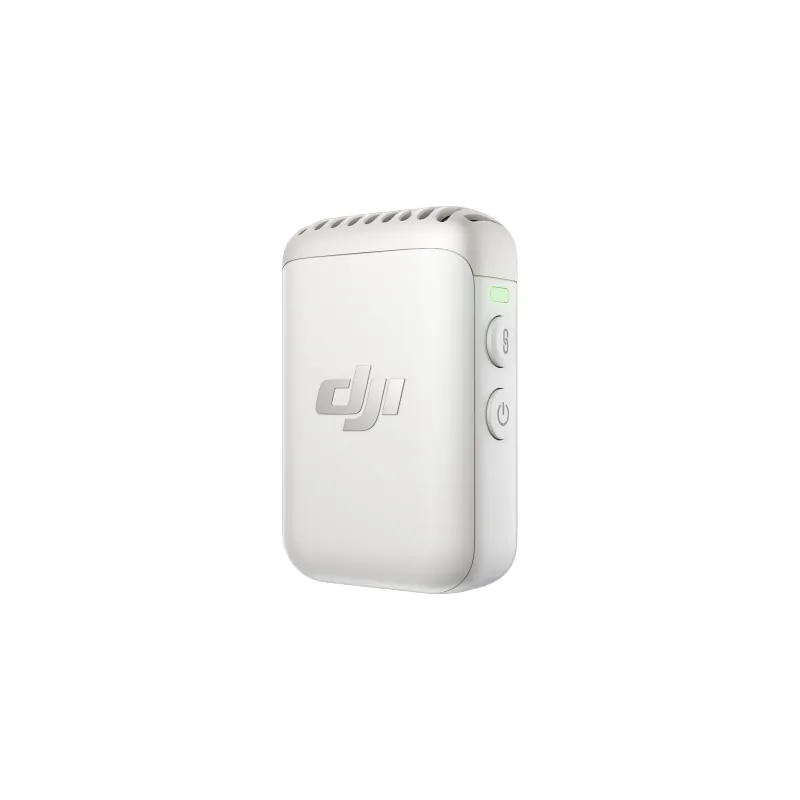
DJI Mic 2 Transmitter

DJI

4.6

DJI Mic 2 Transmitter

Personal Match Score 87%

Price Range

$ $ $
Check Current Price →
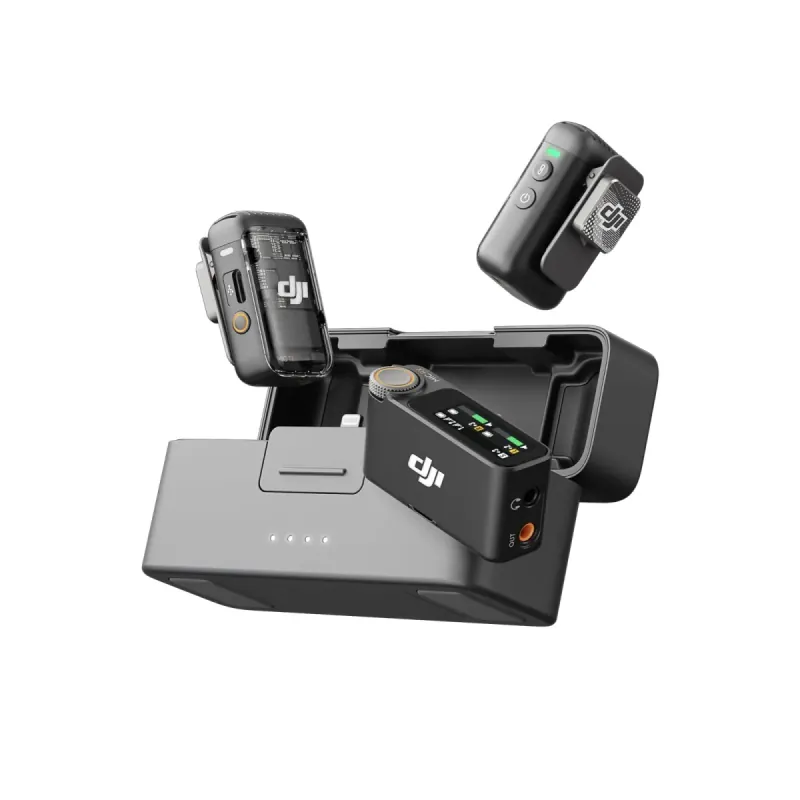
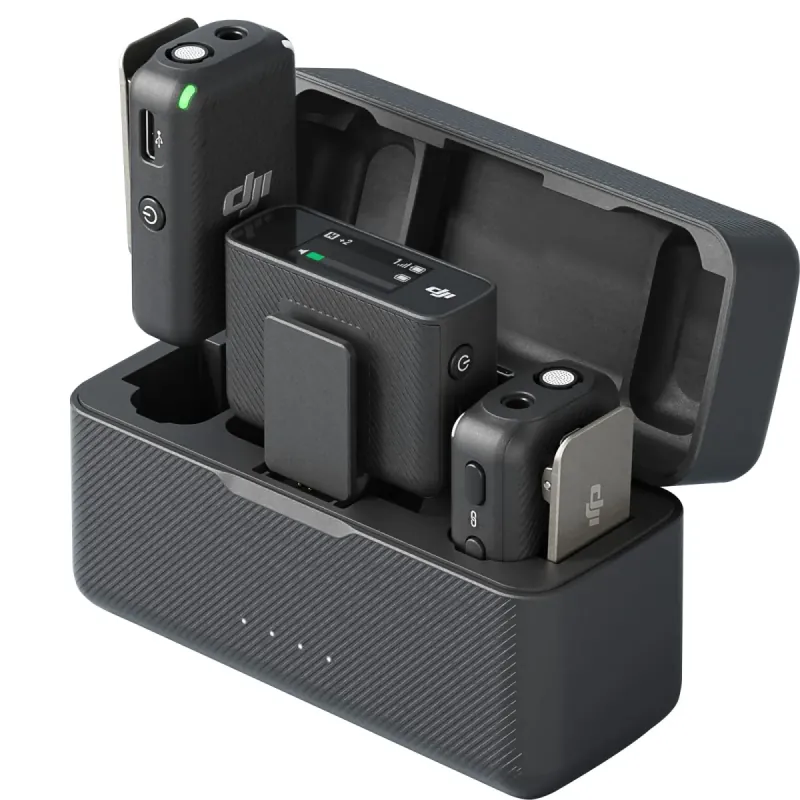
DJI Mic 2

DJI

4.6

DJI Mic 2

Personal Match Score 86%

Price Range

$ $ $
Check Current Price →
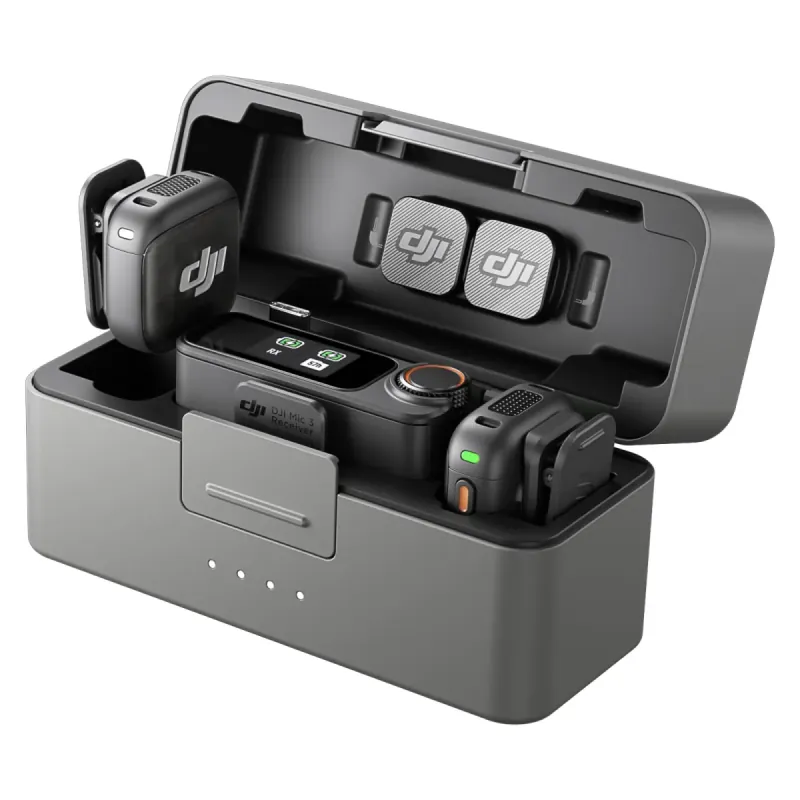
DJI Mic 3

DJI

4.6

DJI Mic 3

Personal Match Score 85%

Price Range

$ $ $
Check Current Price →
Rode Wireless GO III (Black)

Rode

4.7

Rode Wireless GO III (Black)

Personal Match Score 85%

Price Range

$ $ $
Check Current Price →

If you are buying a lavalier and wireless system for filmmaking, your needs are distinct from those of a studio podcaster or casual vlogger. You're likely on location, dealing with unpredictable environments and talent that moves, so your primary concerns are capturing broadcast-quality dialogue reliably, every single time. This means prioritizing three key features: Clarity & Warmth, Connection Stability, and Build & Portability. You need a microphone that captures a full, natural vocal tone without sounding harsh or thin, ensuring your dialogue sits perfectly in the final mix. Just as critical is a rock-solid wireless link that won't drop out, even at a distance or in crowded radio-frequency environments. Finally, your kit must be tough enough for field use and compact enough for a run-and-gun setup. Systems like the DJI Mic 2 have become industry favorites for a reason; they bundle excellent sound quality with features like 32-bit float internal recording—a lifesaver that prevents audio clipping—and a self-contained charging case that simplifies life on set. For filmmakers, the best system isn't just about sound; it's about robust, portable, and foolproof reliability.

How We Rank

Our rankings for Lavalier & Wireless Systems are generated by an AI that analyzes a massive volume of real-world user reviews. The algorithm focuses on what truly matters for capturing great audio, prioritizing key features like Connection Stability and Clarity & Warmth. This data-driven approach, combined with our expert scoring, ensures you get a recommendation based on proven performance, not just marketing hype.

Frequently Asked Questions

For filmmakers, 32-bit float recording is a game-changing feature. It acts as a crucial safety net by capturing an enormous dynamic range, making it virtually impossible for your audio to clip if an actor suddenly yells. This means you can focus on the performance instead of constantly monitoring audio levels. While not strictly 'essential' for every shot, it can save a take that would otherwise be ruined by distorted dialogue, making it a high-priority feature for unpredictable on-location shoots.
This is a trade-off between convenience and performance in extreme conditions. Modern 2.4GHz systems like the DJI Mic 2 are incredibly user-friendly, compact, and reliable for most indie film sets. However, professional UHF systems offer superior range and are less prone to interference in dense RF environments like a convention center. They are also bulkier and more expensive. For most narrative and documentary filmmakers, the simplicity and excellent performance of a top-tier 2.4GHz system is the smarter choice.
While the built-in microphones on transmitters are impressively clear, they are not a substitute for a dedicated lavalier in professional film scenes. The transmitter itself is bulkier and harder to hide on talent than a tiny lav mic capsule, and it's more prone to capturing clothing rustle. For scripted narrative, formal interviews, or any situation requiring a hidden microphone, you should always plan to plug a high-quality lavalier into the transmitter for the most professional and discreet audio capture.
For absolute beginners recording with a smartphone, the Rode SmartLav+ is a fantastic starting point. It's a wired lavalier, making it incredibly simple and reliable. If you need a true wireless system, a budget-friendly option like the Boya BY-V30 offers a complete package with decent performance for the price, making it a great first step into wireless audio without a huge investment.
The price difference primarily comes down to reliability and audio quality under pressure. Premium systems offer vastly superior Connection Stability, meaning fewer dropouts and interference, especially at a distance or in crowded wireless environments. They also feature better microphone capsules for richer Clarity & Warmth and more effective Noise Isolation, which is critical when you can't control your recording location.
Be wary of 'noise cancellation' as a primary feature on budget mics, as it's often a digital process that can degrade audio quality. True professional Noise Isolation comes from the microphone's physical design and proper placement. A quality omnidirectional mic like the Rode Lavalier GO, placed correctly and paired with a windscreen, will almost always sound better than a cheap mic relying on aggressive digital processing.
For most creators, maximum range is less important than signal stability within a practical distance. A system claiming a 600ft range is useless if the signal drops when the talent simply turns their back to the receiver 50ft away. Focus on systems known for robust Connection Stability within the 50-100ft range where you'll actually be filming, rather than chasing a huge number you'll likely never use.
It's generally not recommended. Lavalier microphones are specifically designed and equalized to capture the human voice clearly in the speech frequency range. Using them on an instrument like an acoustic guitar or for powerful singing will often result in a thin, distorted, or unnatural sound. For music, you should use dedicated instrument or vocal microphones designed for that purpose.